
Marquant STO Partners with Qivalis as Bank-Led Stablecoin Consortium Backs Next-Generation Digital Asset Issuance
Marquant’s Security Token Offering receives strategic support from Qivalis, the Amsterdam-based bank consortium building a regulated euro stablecoin with 37 European banks — bridging institutional finance and compliant digital asset issuance.
Introduction: A New Chapter for Regulated Digital Assets
In a significant development for the European digital asset landscape, Marquant STO and Qivalis have announced a strategic partnership, positioning Qivalis as an operating partner and STO supporter for the Marquant platform.
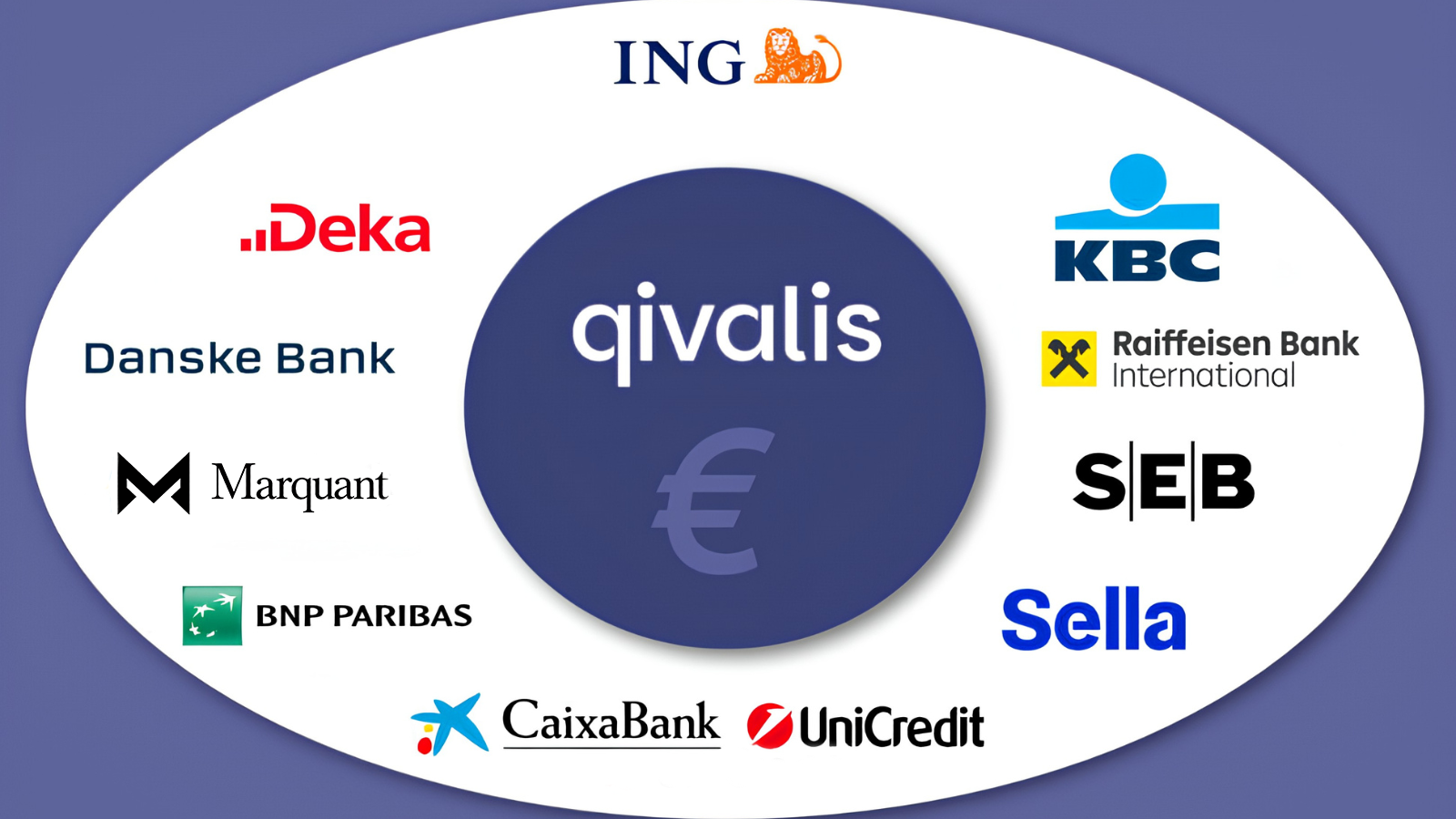
The collaboration marks a pivotal moment for institutional-grade tokenization. Qivalis — a bank-led consortium building a fully regulated, euro-denominated stablecoin — brings together 37 major European financial institutions, including KBC Bank, ING, BNP Paribas, and Nordea. This partnership extends Marquant’s digital-cash settlement layer beyond existing providers like Circle and Tether, embedding institutional banking infrastructure directly into the tokenization ecosystem .
Who Is Qivalis? The Bank-Led Stablecoin Consortium
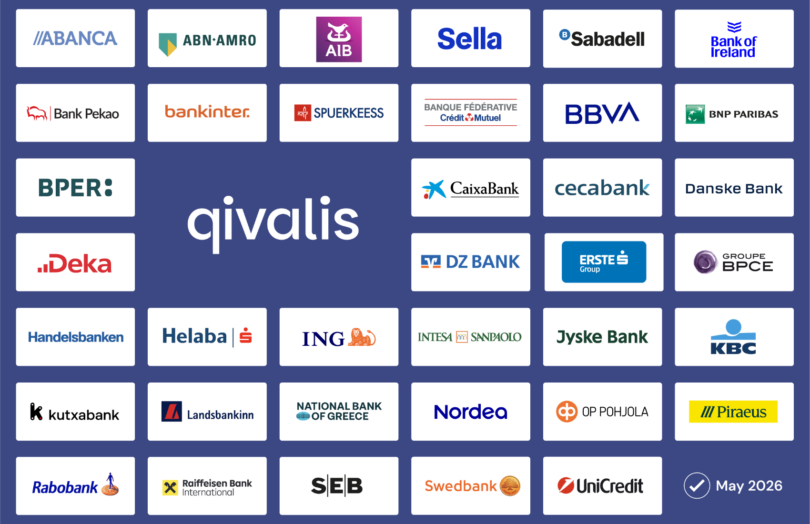
Qivalis is not just another stablecoin issuer. Founded in September 2025 as a joint venture and consortium of European banks, Qivalis is building a MiCA-compliant euro stablecoin under the supervision of the Dutch National Bank (DNB). The consortium has rapidly expanded to 37 member banks across 15 European countries, with new additions including ABN Amro, Rabobank, Intesa Sanpaolo, Nordea, and Handelsbanken .
Key facts about Qivalis:
Structure: A consortium-owned electronic money institution domiciled in Amsterdam
Regulatory status: Awaiting EMI license from DNB, with launch targeted for H2 2026
Reserve model: 1:1 backed by euros and high-quality liquid assets held by regulated custodians, with at least 40% in bank deposits
Leadership: CEO Jan-Oliver Sell (former Coinbase Germany MD), Chairman Sir Howard Davies (former FSA Chair and RBS Chair)
Strategic goal: Provide a trusted, regulated on-chain euro settlement rail for tokenized assets, cross-border payments, and digital finance
The consortium’s founding members included KBC Bank, BNP Paribas, ING, UniCredit, CaixaBank, Danske Bank, DekaBank, Raiffeisen Bank International, SEB, and Banca Sella .
Marquant STO and Qivalis: The Partnership Explained
Under the partnership agreement, Qivalis serves as an operating partner and STO supporter for Marquant. This relationship brings several strategic advantages to the Marquant ecosystem:
1. Institutional Settlement Layer
Marquant’s security token offering and digital asset issuance can now leverage Qivalis’ forthcoming euro stablecoin as a settlement layer. Unlike existing stablecoin options that rely on non-European issuers (Circle’s USDC, Tether’s USDT), Qivalis offers a bank-governed, regulator-supervised alternative — reducing counterparty risk and aligning with European compliance standards.
2. Banking Network Integration
With 37 member banks across Europe, Qivalis provides Marquant with potential distribution and onboarding channels into traditional banking relationships. Participating banks are positioned to help clients access digital asset markets through compliant infrastructure .
3. Extended Digital-Cash Capabilities
The partnership extends Marquant’s digital-cash settlement capabilities beyond existing providers. As Jan-Oliver Sell, CEO of Qivalis, stated: “The euro is Europe’s currency, and on-chain financial infrastructure should carry it — built by European institutions and governed by European rules” .
Why This Matters: Competing with Dollar Dominance
The partnership comes at a critical moment for European digital finance. As of April 2026, the global stablecoin market is valued at approximately $320 billion, with an overwhelming 99% of that supply tied to US dollars. Euro-denominated stablecoins represent only 0.2% of global circulation — roughly $770 million compared to the dollar market’s $300+ billion .
European policymakers have grown increasingly concerned about dollar stablecoin dominance. ECB President Christine Lagarde warned in May 2026 that rising use of dollar stablecoins in Europe poses a “legitimate concern that risks entrenching dollar dependency” . French Finance Minister Roland Lescure has called on European banks to develop more euro-based stablecoins to reduce regional reliance on non-EU payment providers.
Qivalis is the banking sector’s collective answer to this challenge. By bringing together 37 banks under one regulated stablecoin project, Europe is building a sovereign alternative to dollar-backed digital settlement — and Marquant is positioned at the forefront of this movement.
 Institutional Support for Tokenization
The Marquant-Qivalis partnership reflects a broader trend of institutional adoption of security token offerings and real-world asset tokenization. S&P Global Ratings projects that the euro stablecoin market could grow from roughly €770 million today to as much as €1.1 trillion by 2030, driven largely by tokenized finance and institutional adoption .
Howard Davies, Chairman of Qivalis’ supervisory board, framed the initiative in strategic terms: “This infrastructure is essential if Europe is to compete in the global digital economy whilst preserving its strategic autonomy. We are not just building payment infrastructure; we are ensuring that European values of data protection, financial stability, and regulatory compliance are embedded into the future of digital money” .
For Marquant, this institutional backing provides credibility and a clear path toward regulated, bank-integrated digital asset issuance.
Looking Ahead: Launch Timeline and Next Steps
Qivalis expects to receive its electronic money institution license from the Dutch National Bank in the second half of 2026, with an immediate launch planned upon approval . The consortium has already selected Fireblocks for tokenization technology, wallet infrastructure, custody, and compliance tooling .
As Marquant progresses with its STO, the partnership with Qivalis ensures that the platform can offer investors and token holders access to a bank-grade, euro-denominated settlement rail — a critical component for institutional adoption of security tokens.
Conclusion
The partnership between Marquant STO and Qivalis represents a convergence of two significant trends in European digital finance: the rise of regulated security token offerings and the collective response of European banks to dollar stablecoin dominance.
With 37 banks backing Qivalis and Marquant positioned as an early partner in its ecosystem, both organizations are building the financial infrastructure of tomorrow — compliant, euro-native, and institutionally anchored.
Related stories

Bank of England Treating Stablecoins as 'New Form of Money', Says Exec
The U.K.’s central bank is “not picking winners” in the debate over tokenized deposits and stablecoins, Sasha Mills said Wednesday.

SEC Approves First Tokenized Treasury STO Under New Registered Offerings Framework
BlackRock's BUIDL-II becomes the first security token to clear the SEC's streamlined registered offering pathway. The document runs 312 pages. The press release runs four lines.

Tokenized Real Estate Platform Propolis Closes $78M Series B Led by a16z
The New York-based startup has quietly built the regulatory scaffolding to fractionalize commercial real estate at scale. The new round is aimed at distribution, not engineering.