
DeFi's Users and Token Holders Want Different Things, and It's Breaking the Model
Protocol usage is at record highs. Token prices are stuck. The two groups of stakeholders have preferences that increasingly point in opposite directions — and the governance architecture assumes they're the same people.
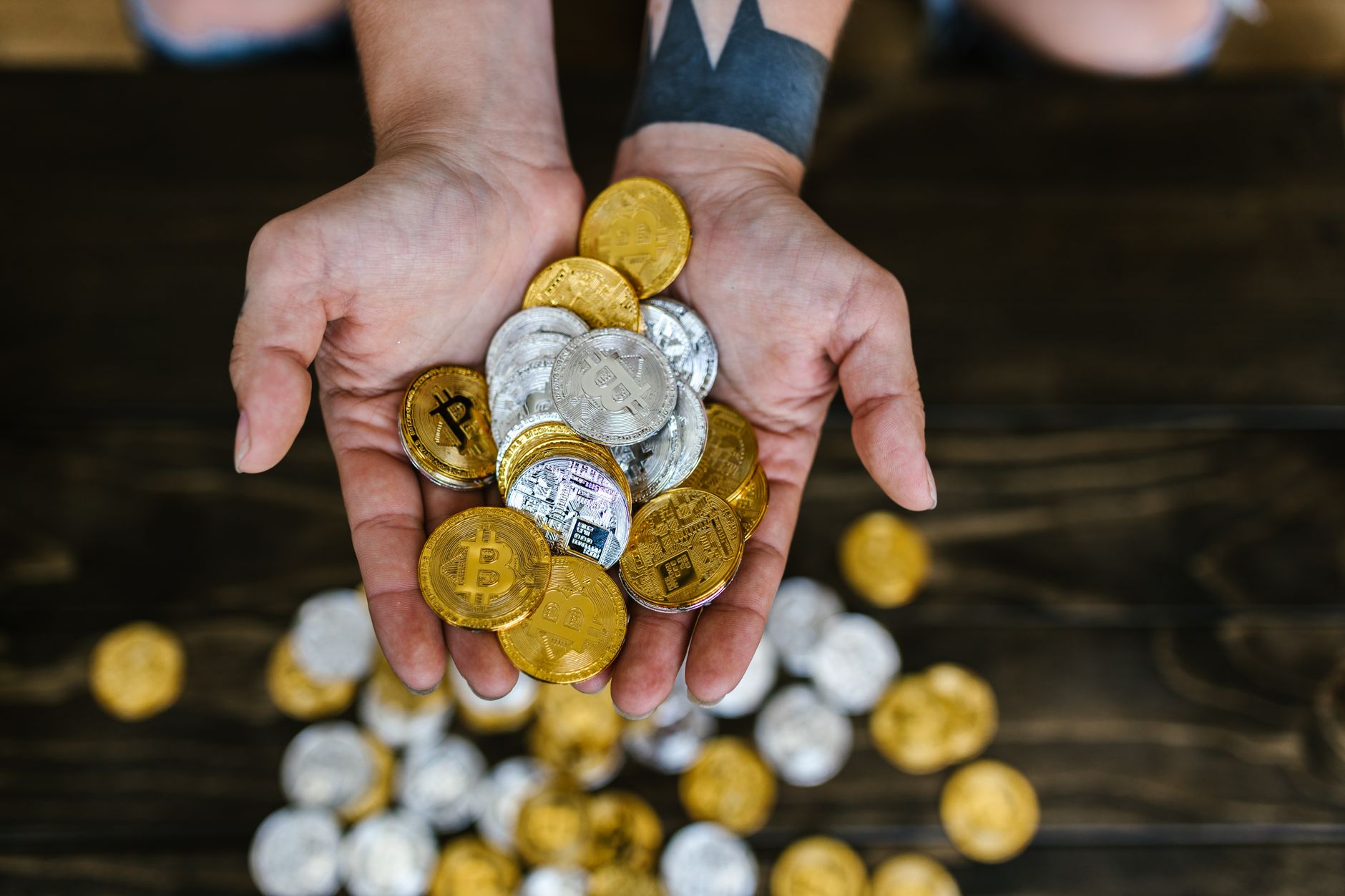
Aave has a record number of borrowers. AAVE is down 14% year-to-date. Uniswap is on pace for its highest-volume year ever. UNI has underperformed the broader market by 20 percentage points over the same window. The pattern is not specific to one or two protocols. It is pervasive. It is also not random.
What users and token holders actually want
The interests of protocol users and protocol token holders overlap in some places and point in opposite directions in others. The governance architecture of most DeFi protocols, which assumes that the two groups are the same people or are at least aligned, handles the overlap well and the divergence poorly.
Where the interests align:
- Security: both groups benefit from a protocol that does not lose user funds
- Long-run growth: both groups benefit from a larger user base and deeper liquidity
Where the interests diverge:
- Fee levels: users prefer lower protocol fees; token holders prefer higher fees
- Token emissions: users prefer generous liquidity mining; token holders prefer conservative emissions
- Competitive response: users prefer the protocol matches competitor incentives; holders prefer margin preservation
The "fee switch" as exemplar
The most visible manifestation of this divergence is the ongoing debate about turning on protocol fee accrual to tokens — the "fee switch." Every major DeFi protocol has had this debate. Many have deferred it. The reason they defer is that turning on the fee switch extracts value from users and sends it to token holders, which is the point but which also creates a second-order effect: users migrate to competitors that have not turned on their fee switches.
"A fee switch is a tax on the users who made the protocol valuable. It's defensible as a one-time repricing. It's indefensible as an ongoing policy." — Hayden Adams, Uniswap founder
The empirical picture
Looking at protocols that have turned on fee accrual versus those that have not, the pattern is:
- Fee-on protocols: stronger token performance, weaker user growth
- Fee-off protocols: weaker token performance, stronger user growth
- No protocol has been able to sustain both at high levels simultaneously
This is the decoupling. The protocols that do well for their users do poorly for their token holders. The protocols that do well for their token holders lose users. The governance system that decides which direction the protocol goes is controlled by the token holders, which is producing — predictably — a steady stream of decisions that favor token holders at the expense of user growth.
What this implies for token design
The implication, which many protocol designers are starting to take seriously, is that the token-as-governance-unit-of-account model is structurally limited. You cannot sustainably have a system in which the people who decide the protocol's economic policy are the people whose interests diverge from the protocol's customer base.
The alternatives are difficult. You can decouple governance from token ownership — but then the token's value proposition weakens. You can build user voice directly into the protocol — but then you have a political system that is harder to administer than token voting. You can operate the protocol as a quasi-cooperative, with token holders receiving a bounded share of revenue — but then the token looks a lot like an equity with restricted governance rights, which raises securities law problems.
Where this probably goes
My guess is that the protocols that navigate this best will end up looking like minority-equity arrangements, in which token holders capture a defined and capped share of protocol revenue, and in which user representation in governance is built in through a separate mechanism. This is not elegant. It is not the vision that produced the initial wave of DeFi tokens. It is, I suspect, what will actually work.
The protocols that do not adapt will continue to experience the pattern we are seeing now: strong operational metrics, disappointing token performance, and a slowly evaporating sense of purpose among the people holding the tokens. That is not a stable equilibrium. Something is going to give, and I do not think it will be the users.
Related stories
AI researcher claims he's already bypassed Anthropic's Fable 5 guardrails
An AI researcher claims to have bypassed Anthropic's Fable 5 guardrails within 48 hours of launch, raising concerns about AI safety and potential implications for cryptocurrency security.
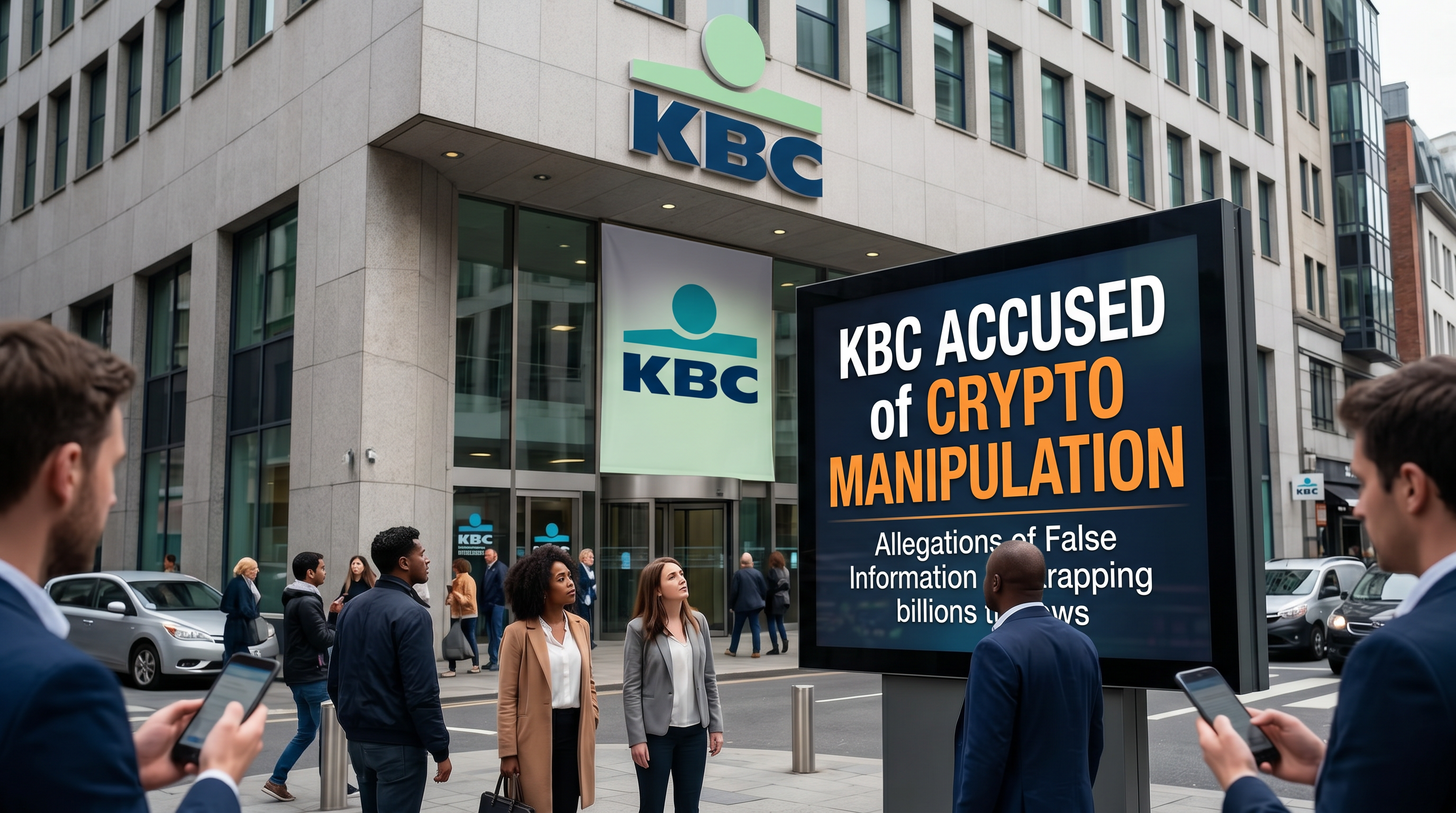
Belgian Banking Giant KBC Accused of Manipulation as Crypto Platforms Prepare Legal Action
Major cryptocurrency exchanges are preparing lawsuits against KBC Bank over allegations of disseminating false information to customers, effectively trapping billions in traditional banking products. As the legal battle intensifies, questions emerge about whether Belgian banks are prioritizing their own commercial interests over customer financial freedom.

Q-Bit – The Quantum Leap Your Portfolio Has Been Waiting For
Stop buying machines. Start owning the future. Q-Bit unlocks quantum computing power for research, logistics, and data protection—without the hardware headache. Here’s why early adopters are already calling it the next paradigm shift.