
SEC’s 2026–2030 Plan Puts Crypto At The Center Of Its Regulatory Agenda
The SEC's draft 2026-2030 strategic plan places digital asset regulation at its core, aiming to modernize oversight to balance innovation with investor protection and provide clarity for the evolving crypto industry.
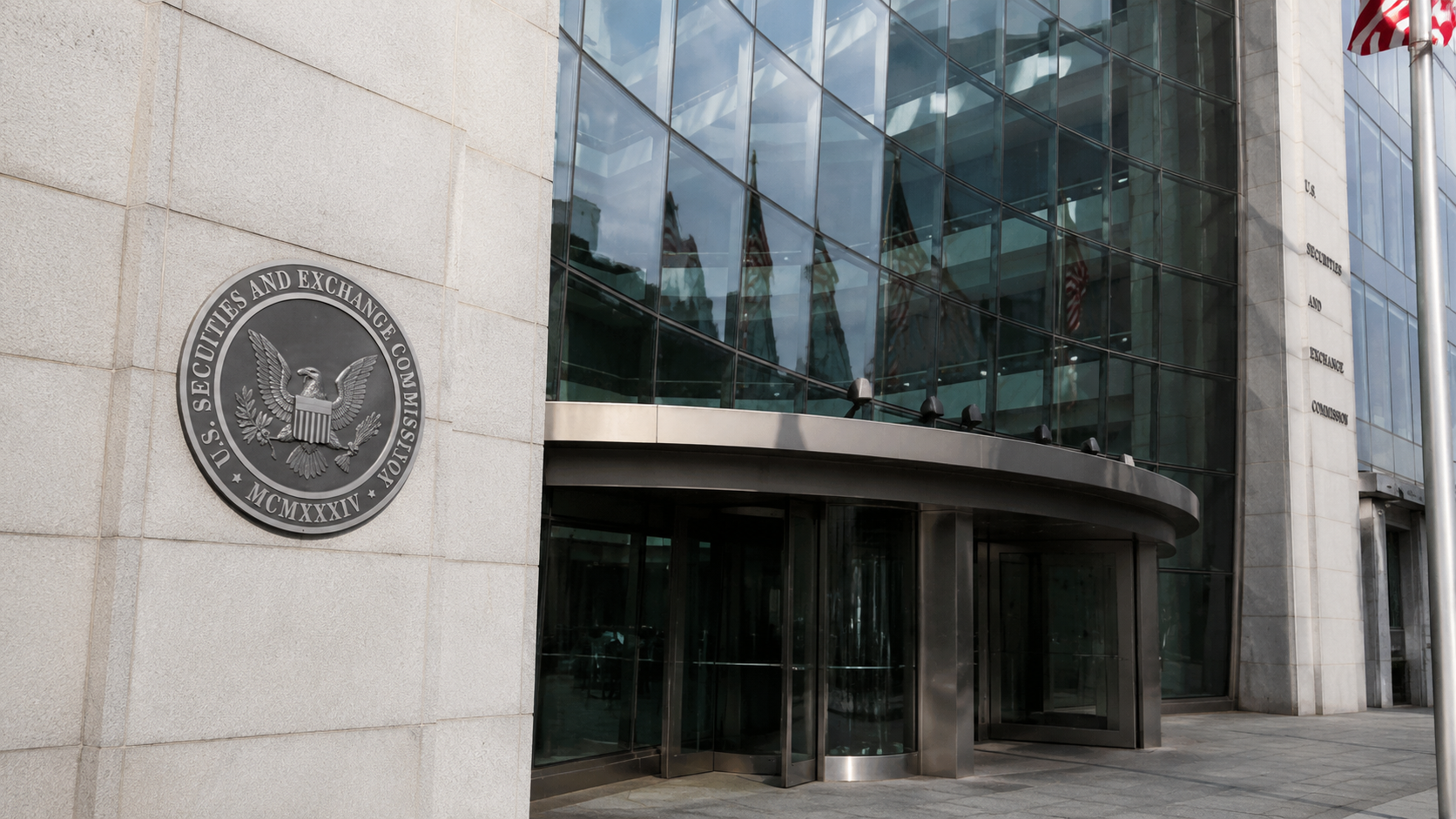
SEC Outlines Long-Term Crypto Regulatory Strategy in Draft Plan
The United States Securities and Exchange Commission (SEC) has signaled its intention to place digital assets at the forefront of its regulatory agenda, as detailed in a draft strategic plan spanning fiscal years 2026 to 2030. This forward-looking document reiterates the agency's commitment to overseeing the cryptocurrency industry, aiming to strike a balance between fostering technological innovation and safeguarding investors. The SEC suggests that the existing regulatory framework requires significant updates to effectively manage the rapid evolution of market dynamics and technology within the digital asset space.
The draft framework underscores the SEC's belief that a modernized regulatory system is essential for its continued efficacy in today's financial landscape. Regulators, according to the agency, must adapt current rules to encourage new developments while upholding fundamental principles such as investor protection and market integrity. This necessity is directly linked to the rise of digital assets, distributed ledger technologies (DLT), and novel trading platforms, which are fundamentally altering traditional methods of capital formation and securities trading.
Modernizing Oversight for Digital Assets
The SEC's strategic vision comes amidst a prolonged period of regulatory uncertainty for the crypto industry in the U.S., marked by a series of enforcement actions rather than comprehensive legislative clarity. This draft plan suggests a shift towards a more proactive and structured approach, acknowledging the transformative potential of blockchain and crypto asset technologies. The agency's long-term perspective aims to provide a clearer path for market participants, moving beyond the current ad-hoc application of existing securities laws.
A primary objective articulated in the SEC's plan is to establish a more robust foundation for crypto assets and distributed ledger technologies. This involves developing a regulatory approach that is described as rational, coherent, and principled, designed to bring greater predictability to the sector. The commission recognizes that these technologies hold the promise of reshaping America's financial infrastructure, potentially offering new optionality, improved efficiencies, reduced costs, enhanced transparency, and better risk mitigation for consumers and businesses.
Despite acknowledging these potential benefits, the SEC also highlighted that the accelerated growth of the digital asset market has outpaced the capacity of the current regulatory framework. This discrepancy has left both innovators and established market participants operating without sufficient legal clarity, creating an environment ripe for confusion and potential non-compliance. The agency's proposal seeks to bridge this gap by creating a regulatory environment that supports legitimate innovation while mitigating risks inherent in nascent technologies.
"The regulatory system will remain effective only if it is updated for today’s realities, with regulators needing to modernize the rules to encourage innovation while preserving core principles like investor protection and market integrity."
Navigating the Path to Regulatory Clarity
To address the existing regulatory void, the SEC advocates for a clearer framework that would reduce ambiguity regarding the applicability of securities laws to digital assets. Such a framework is intended to facilitate compliant capital formation through tokenized offerings, enabling companies to leverage blockchain technology for fundraising within established legal boundaries. Furthermore, it aims to support the development of on-chain financial infrastructure, which includes decentralized finance (DeFi) protocols and other blockchain-native financial services.
The proposed modernized approach also seeks to ensure that critical services within the crypto ecosystem, such as custody, trading, and staking, can operate under appropriate oversight without encountering redundant requirements or conflicting rules. This focus on streamlining regulation reflects an understanding of the interconnected nature of these services and the need for a cohesive regulatory posture. A key aspect of this clarity involves resolving jurisdictional questions, particularly the long-standing debate over which federal agency holds primary oversight for various digital asset activities.
The SEC's long-term plan comes at a time when the agency has faced criticism from some industry participants for its "regulation by enforcement" strategy, which involves bringing legal actions against crypto firms for alleged securities law violations. This strategic document could represent an effort to articulate a more structured and forward-looking approach, moving beyond individual enforcement cases to lay out a comprehensive vision for the future of digital asset regulation in the U.S. However, the implementation of such a broad plan over several years would require significant legislative and administrative effort, potentially involving collaboration with other federal agencies and Congress.
Implications for the Digital Asset Ecosystem
For the crypto market, the SEC's 2026-2030 strategic plan, even in its draft form, signals a persistent and deepening commitment by the primary U.S. securities regulator to establish a comprehensive framework for digital assets. While the immediate impact on daily market operations may be limited given the long-term horizon, the articulation of these goals could influence strategic planning for businesses operating in or entering the U.S. market. It suggests that firms should anticipate increased regulatory scrutiny and a push for greater compliance over the coming years, even as the specifics of the new framework are yet to be defined.
- Enhanced legal clarity for tokenized offerings and capital formation.
- Streamlined oversight for essential crypto services like custody, trading, and staking.
- Resolution of jurisdictional ambiguities among federal regulators.
- A structured approach to balancing innovation with investor protection.
The path to realizing the SEC's vision for a modernized regulatory framework for digital assets will likely be complex and multifaceted. It will involve extensive public commentary periods, potential legislative engagement, and ongoing dialogue with industry stakeholders. Market participants will be closely watching for further details on how the SEC intends to translate these broad objectives into specific rules and guidance, as the agency continues to navigate the evolving landscape of digital finance.
Related stories

UK House Of Lords Urges BoE To Ease Stablecoin Rules Over Competitiveness Concerns
The UK House of Lords has urged the Bank of England to reconsider aspects of its stablecoin proposals, warning that current plans could hinder innovation and competitiveness.

Strive Seeks $4.2 Billion ATM Expansion To Fund More Bitcoin Purchases
Strive plans to expand its at-the-market programs by $4.2 billion to fund further Bitcoin acquisitions, solidifying its position among leading public corporate BTC holders.

Vitalik’s smaller Ethereum Foundation tests ETH holders’ demand for execution
With at least nine senior Ethereum Foundation (EF) members having left in 2026 and years of community frustration over EF-linked ETH sales, Vitalik Buterin posted his perspective on the Foundation's direction.