
More than 32,000 bank employees barred from investing in crypto
Thousands of employees at Denmark’s largest banks are prohibited from investing in cryptocurrencies due to concerns tied to money laundering, criminal activity, and compliance risks.

As Bitcoin adoption accelerates worldwide and institutional demand for digital assets reaches new highs, several major Danish banks are tightening restrictions on employees seeking exposure to cryptocurrencies.
More than 32,000 employees across Jyske Bank and Nordea are prohibited from directly investing in crypto assets, according to a report from Danish business newspaper Børsen. The move has reignited debate over whether traditional financial institutions are resisting the rapid rise of decentralized finance and digital currencies.
Jyske Bank defended its policy by citing concerns surrounding criminal activity and money laundering.
“This decision has been made on the basis of several problematic issues, such as the fact that cryptocurrencies are often used in connection with criminal activities and money laundering,” Marie-Louise Brebøl Christensen, HR Director at Jyske Bank, told the outlet.
Critics within the crypto industry argue that such narratives ignore the growing transparency of blockchain technology, where transactions are permanently recorded on public ledgers and can often be tracked more efficiently than traditional cash-based systems.
The restrictions also come at a time when Bitcoin ETFs, tokenized assets, and stablecoins are gaining legitimacy among institutional investors and regulators globally. In the United States alone, spot Bitcoin ETFs have attracted billions of dollars in inflows since their approval earlier this year, helping push Bitcoin toward record highs.
Nordea similarly prohibits employees from directly investing in cryptocurrencies, although the bank said workers may invest in crypto-related financial products starting Dec. 1. The distinction reflects a broader trend among traditional financial institutions attempting to gain exposure to the sector while maintaining distance from direct ownership of digital assets.
Meanwhile, competing Danish banks appear to be embracing a more open stance toward crypto. Danske Bank — which recently participated in the launch of a stablecoin initiative alongside eight other banks — allows employees to invest in digital assets. Sydbank also permits crypto investments among staff members.
The differing approaches highlight the widening divide inside the banking sector over the future role of cryptocurrencies in global finance.
Supporters of Bitcoin argue that decentralized assets were created specifically to reduce dependence on centralized banking systems, especially following years of inflation concerns, monetary expansion, and declining trust in traditional institutions. For many investors, crypto represents not only a speculative asset class but also a technological alternative to legacy financial infrastructure.
Stablecoins such as Tether, which aim to maintain parity with the U.S. dollar, have become increasingly important in the digital asset ecosystem by enabling faster settlements and easier movement between traditional and decentralized markets.
Despite ongoing skepticism from parts of the banking industry, crypto adoption continues to expand among retail investors, hedge funds, public companies, and even governments exploring blockchain-based financial systems.
The report was originally published by FinansWatch, a Danish sister publication of AMWatch, and translated into English using DeepL with additional editorial revisions.
Related stories
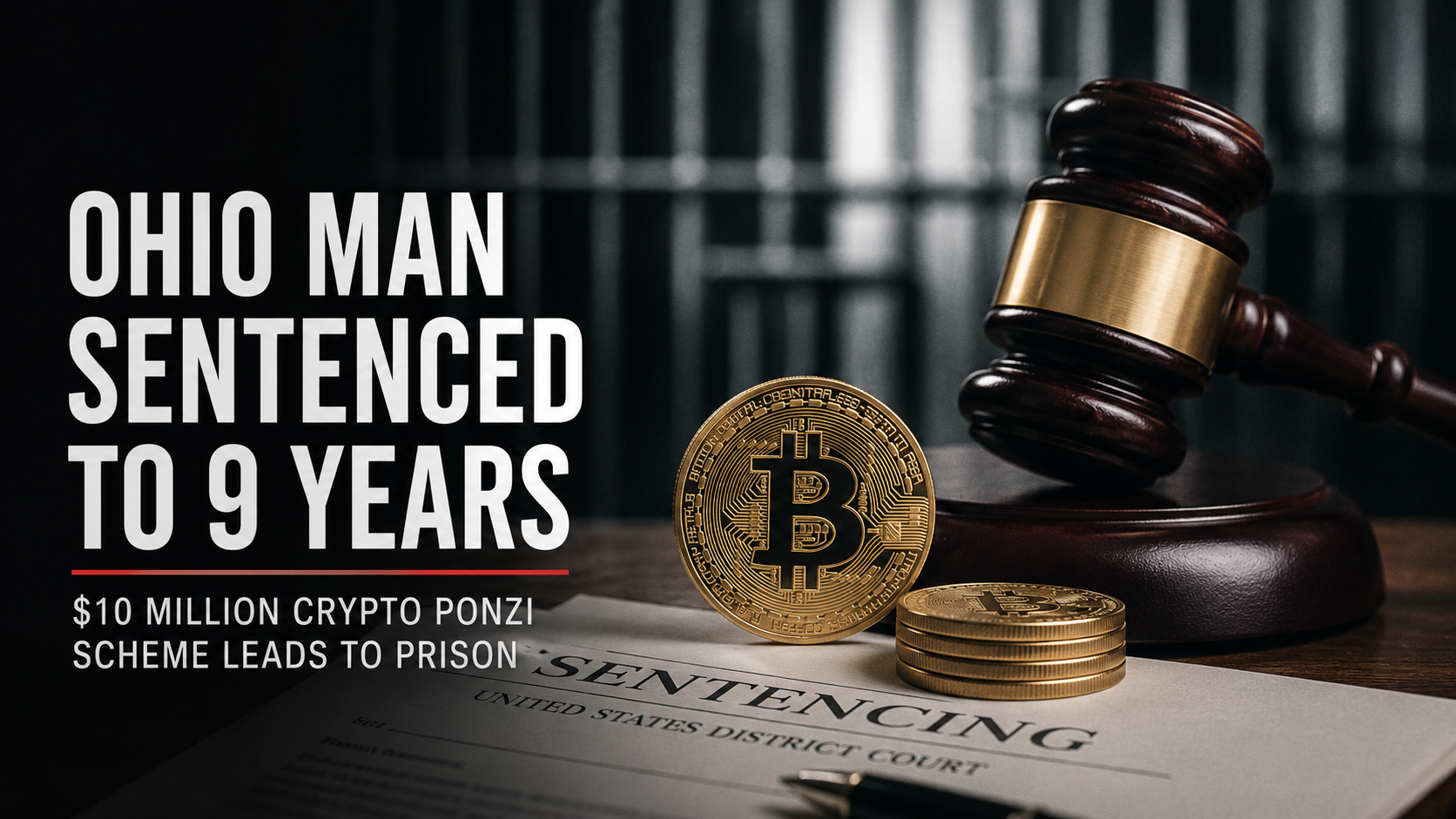
Ohio Man Gets 9 Years for $10M Bitcoin Trading Ponzi Scheme
An Ohio investment manager received a nine-year prison sentence for a $10 million cryptocurrency Ponzi scheme, highlighting increased enforcement against digital asset fraud.
Bitcoin Suisse Secures Bermuda Regulatory Approvals for International Digital Asset Expansion
Bitcoin Magazine Bitcoin Suisse Secures Bermuda Regulatory Approvals for International Digital Asset Expansion Bitcoin Suisse (International) Ltd., an affiliate of the Switzerland-based Bitcoin Suisse Group, has obtained dual regulatory ...

Finland Opens Door to Broader Crypto Investment as Obsidiate Exchange Eyes Expansion
A shift in Finland’s cryptocurrency regulations is creating new opportunities for investors and digital asset companies, with Obsidiate Exchange moving quickly to strengthen its Nordic presence.