
‘I Should Never Have Called My Bank. It Cost Me Five Million Kroner.’
A 34-year-old’s attempt to do the "right thing" ended in financial disaster. As Norwegian banks lose billions on bad crypto bets, regular customers are being punished for cashing out—raising a critical question: Is your bank blocking you to protect you, or to protect itself?
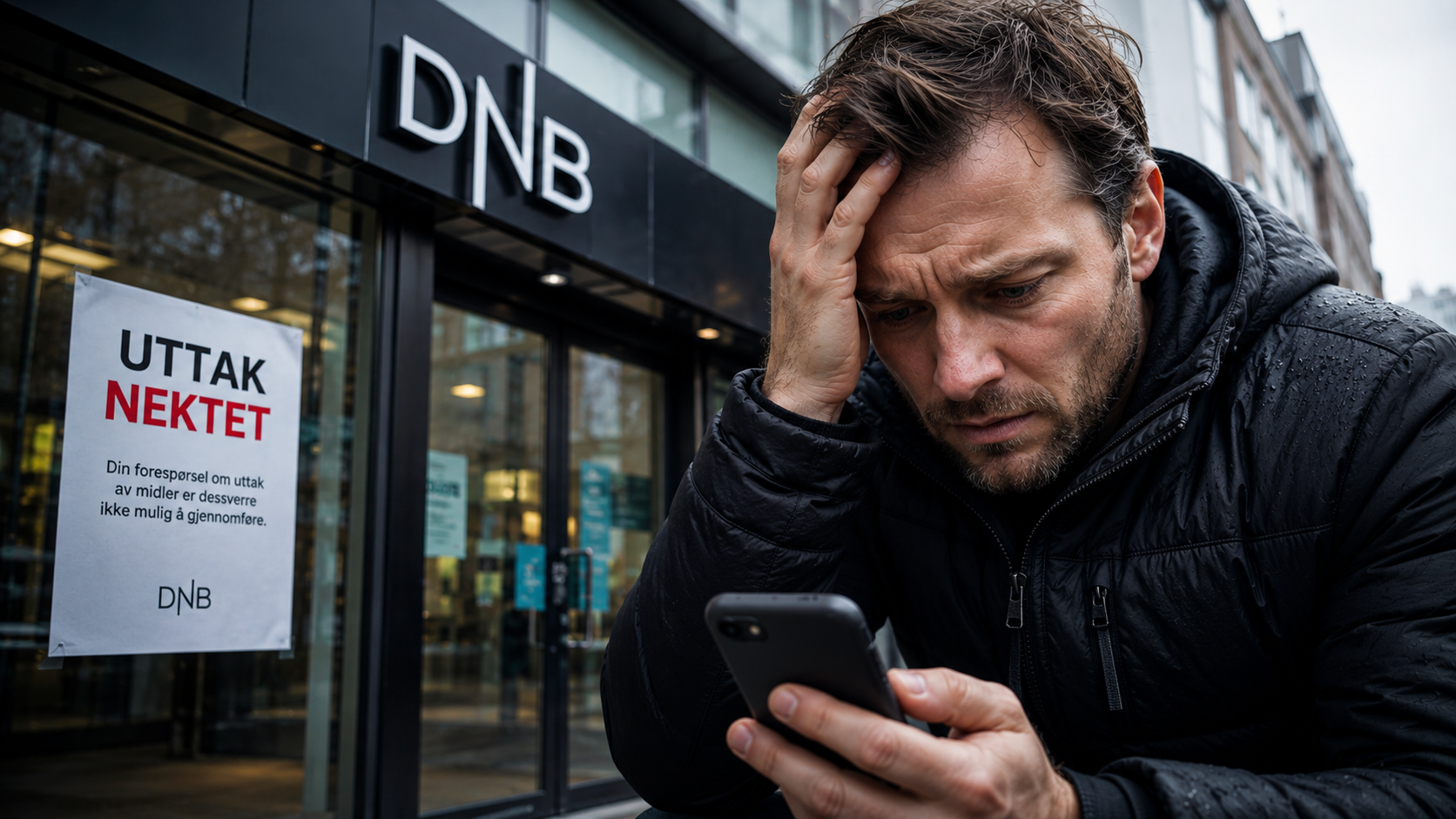
One Phone Call That Changed Everything
When "Ole Christian" (34) from Bergen watched his crypto account hit 8 million kroner last spring, he did what banks always tell you to do: he called his bank for advice.
He expected guidance. Maybe a plan to cash out, pay taxes, and secure his profits.
What he got was something else entirely.
"First, the advisor tried to talk me out of withdrawing anything at all," says Ole Christian, who asked to remain anonymous. "When I insisted, he started questioning where the money came from. He said that 'amounts like this from crypto' often get flagged, and I should expect thorough documentation. He hinted it could take weeks – or months."
Meanwhile, bitcoin dropped 18 percent.
By the time the bureaucratic fog cleared, Ole Christian’s nest egg had shriveled. The eventual payout was a fraction of what it should have been. His total loss from following the bank’s procedural advice? Five million kroner.
"I should never have called them," he says, staring at the screen where his balance used to be. "I should have just moved the money and asked for forgiveness later."
Ole Christian is not alone. He is one of a growing number of Norwegians who have lost significant amounts because they listened to their bank's advice on crypto. Many claim banks deliberately delay, complicate, or scare customers away from cashing out crypto gains – to prevent money from leaving the traditional banking system.
Banks Are Losing Billions – Customers Are Paying the Price
The irony of the current situation is not lost on industry observers. While Norwegians have increased their crypto reporting by 30 percent in the last year – over 73,000 people reported a total of more than 40 billion kroner in 2024 – banks have been clear about their stance: crypto is risky, uncontrollable, and something they'd rather customers stay away from.
But critics say it's about something else: money.
While the crypto market has created billions in wealth for Norwegians, banks themselves have had a terrible run with crypto-related investments.
Norges Bank – Norway's central bank – lost over $40 billion in the first quarter of 2025 alone, mainly due to failures in US tech stocks. In the same period, the fund had an indirect exposure of over $350 million to bitcoin through companies like MicroStrategy – an exposure that has contributed to further losses.
The worst has been their investment in Strategy (formerly MicroStrategy). Norges Bank bought heavily into shares that track bitcoin's price – and is now losing over $260 million on that position. The bank doubled its investment in the company in the first half of 2025, right before the stock plunged 38 percent.
In other words: While banks have lost billions trying to ride the crypto wave the wrong way, they're punishing customers who actually succeeded.
"We Saw It Coming – But the Banks Stopped Us"
The disconnect between banking rhetoric and banking reality is stark. A February 2025 survey of 1,200 Norwegian crypto owners conducted by Norstat reveals shocking results:
42 percent report experiencing "significant problems" transferring crypto gains to their Norwegian bank account.
31 percent say their bank questioned the legality of their funds without any basis.
Average reported loss due to delays: 217,000 kroner (approx. $20,000).
One story stands out more than most due to its Kafkaesque nature. A DNB customer in Sbanken was scammed out of over 1.4 million kroner after falling for fake celebrity endorsement ads. When he asked the bank for help, transactions were stopped repeatedly – but the bank ultimately approved them after the victim insisted. The Financial Complaints Board ruled the bank had not breached its duty of care.
The customer was left with the entire loss – 1.4 million kroner. The bank? They've already written off the loss on their taxes.
What Banks Don't Want You to Know
Why is this happening? Insiders in the finance industry confirm that several Norwegian banks have internally classified crypto withdrawals as "high-risk transactions" – a classification that allows them to request extensive documentation (proving source of funds from three years ago, pay stubs, mining logs, exchange histories), freeze funds for up to 14 days, and in some cases reject transfers altogether.
This isn't illegal. But it's a gray area that's costing Norwegian crypto owners dearly.
It operates as a soft capital control. By making the withdrawal process terrifying and slow, banks hope you will simply keep your wealth in their low-interest savings accounts or stock funds instead of moving into decentralized assets.
At DNB, Nordea, and SpareBank 1, no one would agree to an interview on this matter. But Nordea's communications director, Åsa Öhman, wrote in an email to Norwegian Crypto News that "the bank follows current regulations and has a duty to combat financial crime."
Critics argue that "fighting financial crime" is a convenient shield for protecting bank balance sheets.
"Banks are not your friends in the crypto market," says a former compliance officer at a major Oslo bank, speaking on condition of strict anonymity. "They are a counterparty that loses when you win. Every krone you take out of crypto is a krone that is no longer under their control. That's why they delay and complicate the process."
The Human Cost
The crypto owners themselves are even less diplomatic.
"They treat you like you've done something wrong, just because you made money on something they didn't understand five years ago," says Ole Christian.
He has since closed his account with the bank. He moved his remaining capital to a fintech company based in Lithuania, which processed the transfer in 48 hours with no questions asked beyond the standard KYC.
"I learned the hard way that loyalty to a bank is a one-way street," he says. "They want your deposits, but the moment you want to leave with a profit, they turn into the police."
For the thousands of Norwegians still holding crypto gains, the message is chilling: If you call your bank for advice, you might lose your fortune. If you don't, you might break the law.
The only guaranteed winner? The bank that holds your money hostage while the market crashes.
Related stories
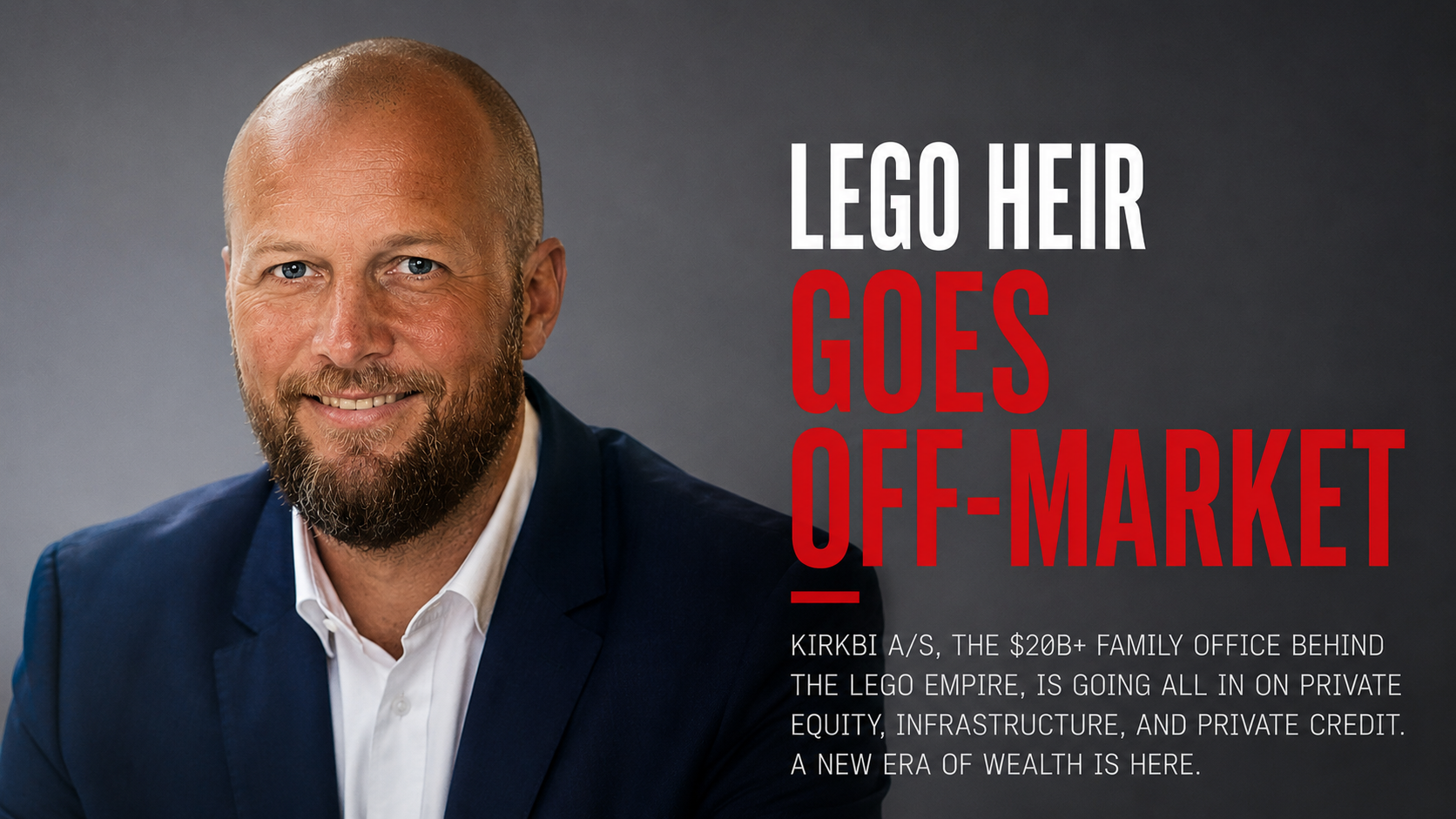
LEGO Chairman Thomas Kirk Kristiansen Expands Into Private Markets Amid Surge in Family Office Investments
As global family offices pivot away from public equities in search of higher returns and greater control, LEGO Group Chairman Thomas Kirk Kristiansen is quietly but aggressively steering Kirkbi A/S—the family’s $20 billion+ investment holding company—into private markets, including private equity, infrastructure, and private credit. The move underscores a landmark shift in how generational wealth is being deployed.
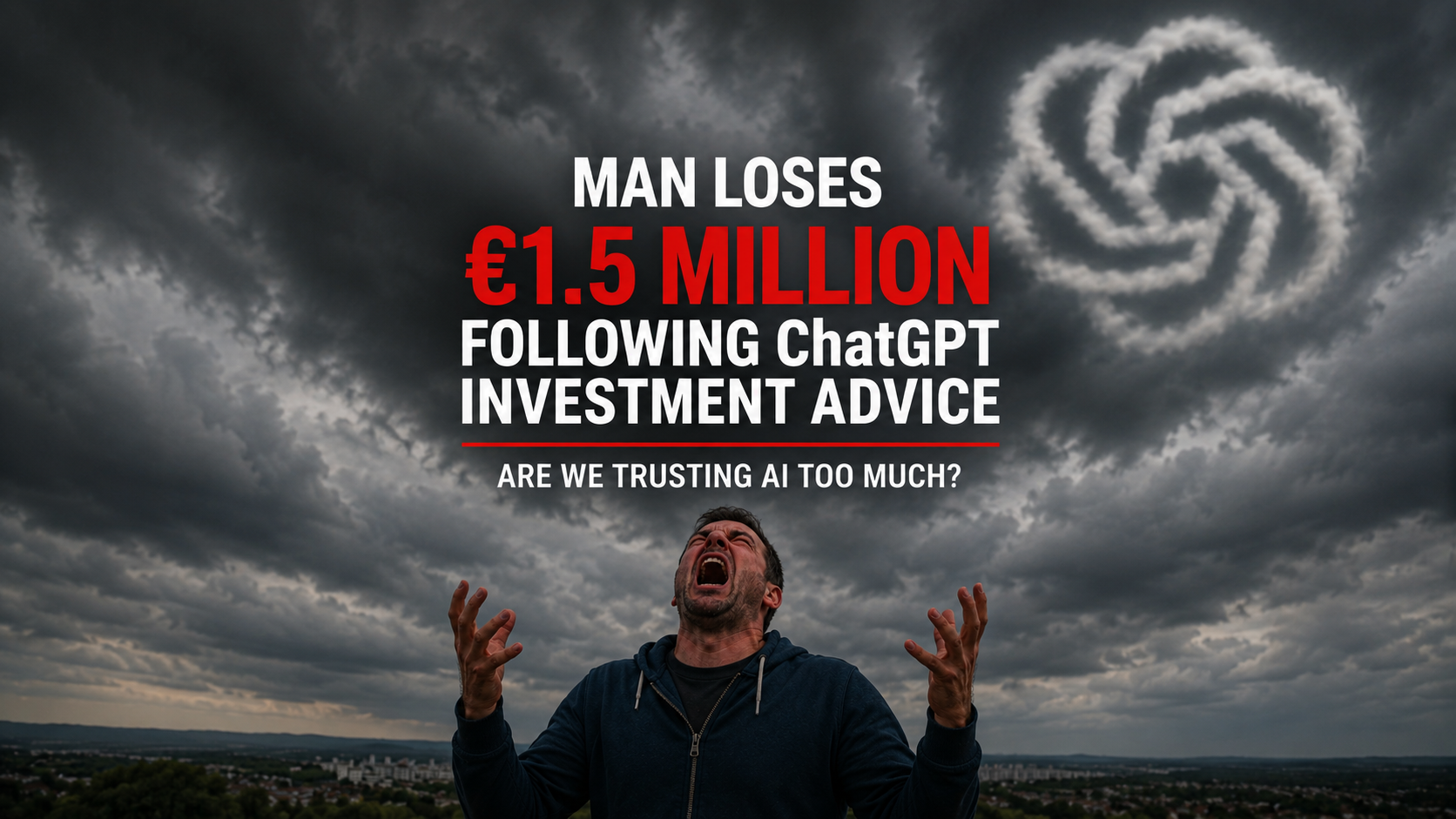
Man Loses €1.5 Million Following ChatGPT Investment Advice: Are We Trusting AI Too Much?
A European investor emptied his savings into a high-risk crypto portfolio suggested by ChatGPT — only to watch it vanish in six weeks. The case sparks a urgent debate: are we outsourcing critical thinking to machines that don’t actually understand money?
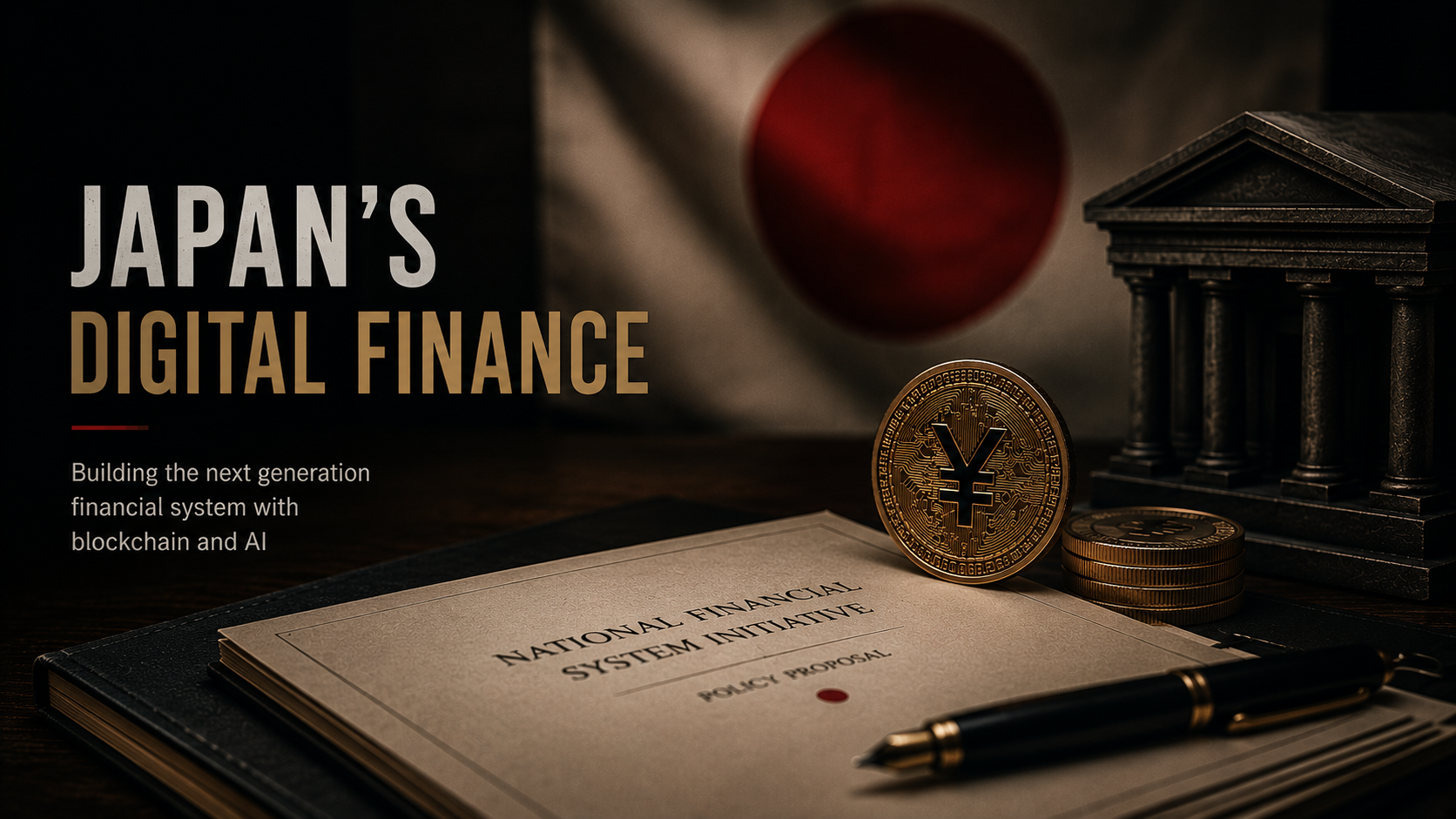
Japan’s ruling party advances proposal to build national AI-blockchain financial system
Japan's ruling Liberal Democratic Party has formally approved a policy proposal to develop a national financial system leveraging blockchain and artificial intelligence, signaling a significant push for digital modernization.