
The Quiet Institutionalization of Crypto Is the Real Story of 2026
The retail flag-waving is gone. So is most of the froth. What remains is an asset class whose largest holders now wear suits — and the implications are only beginning to land.
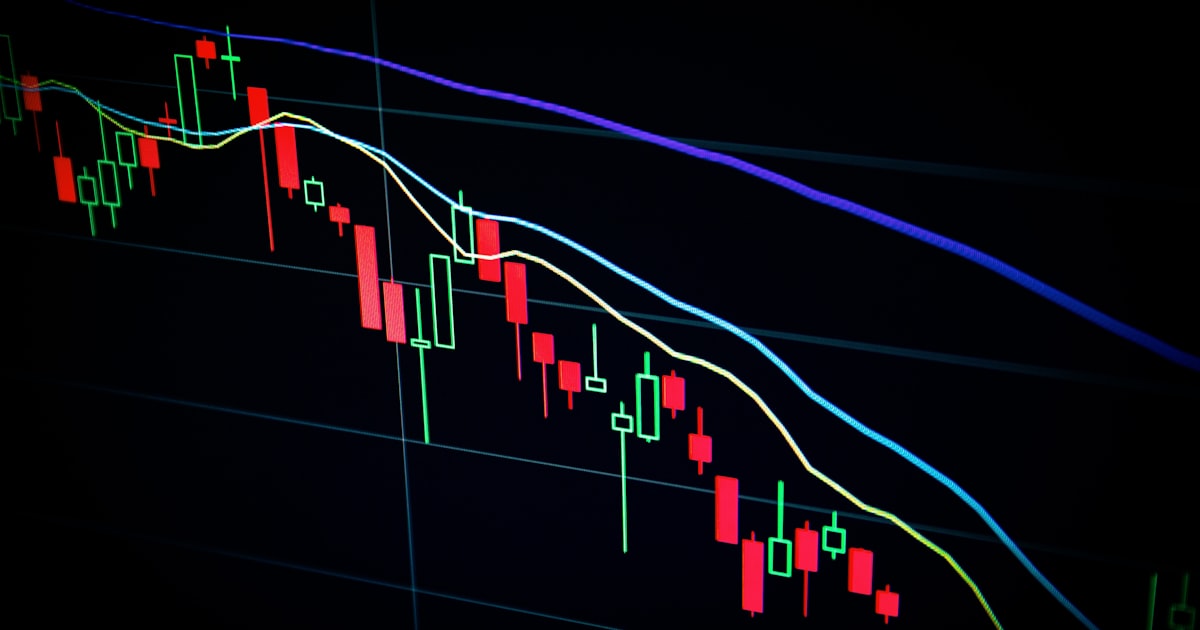
You can tell the cycle has changed by who is in the room. The crypto conferences still happen. The T-shirts are still ironic. But the badges say BlackRock, Fidelity, Franklin, State Street. The keynote speakers used to be founders. Now they are heads of digital-asset strategy.
The inversion
The number that matters is not the price of Bitcoin. It is the share of Bitcoin held by spot ETFs. It is now 6.4% of circulating supply, up from 0% two years ago. That is faster institutional adoption than any asset in modern financial history, including gold after the 2004 GLD launch.
"Crypto used to be a movement. It is becoming a product line." — from a recent JPMorgan note
This is not a lament. It is an observation. The founders who spent a decade asking to be taken seriously got their wish. What comes next — how an asset class born of permissionless idealism accommodates fiduciary risk frameworks — is the story the next ten years will be about.
Related stories

AI researcher claims he's already bypassed Anthropic's Fable 5 guardrails
An AI researcher claims to have bypassed Anthropic's Fable 5 guardrails within 48 hours of launch, raising concerns about AI safety and potential implications for cryptocurrency security.
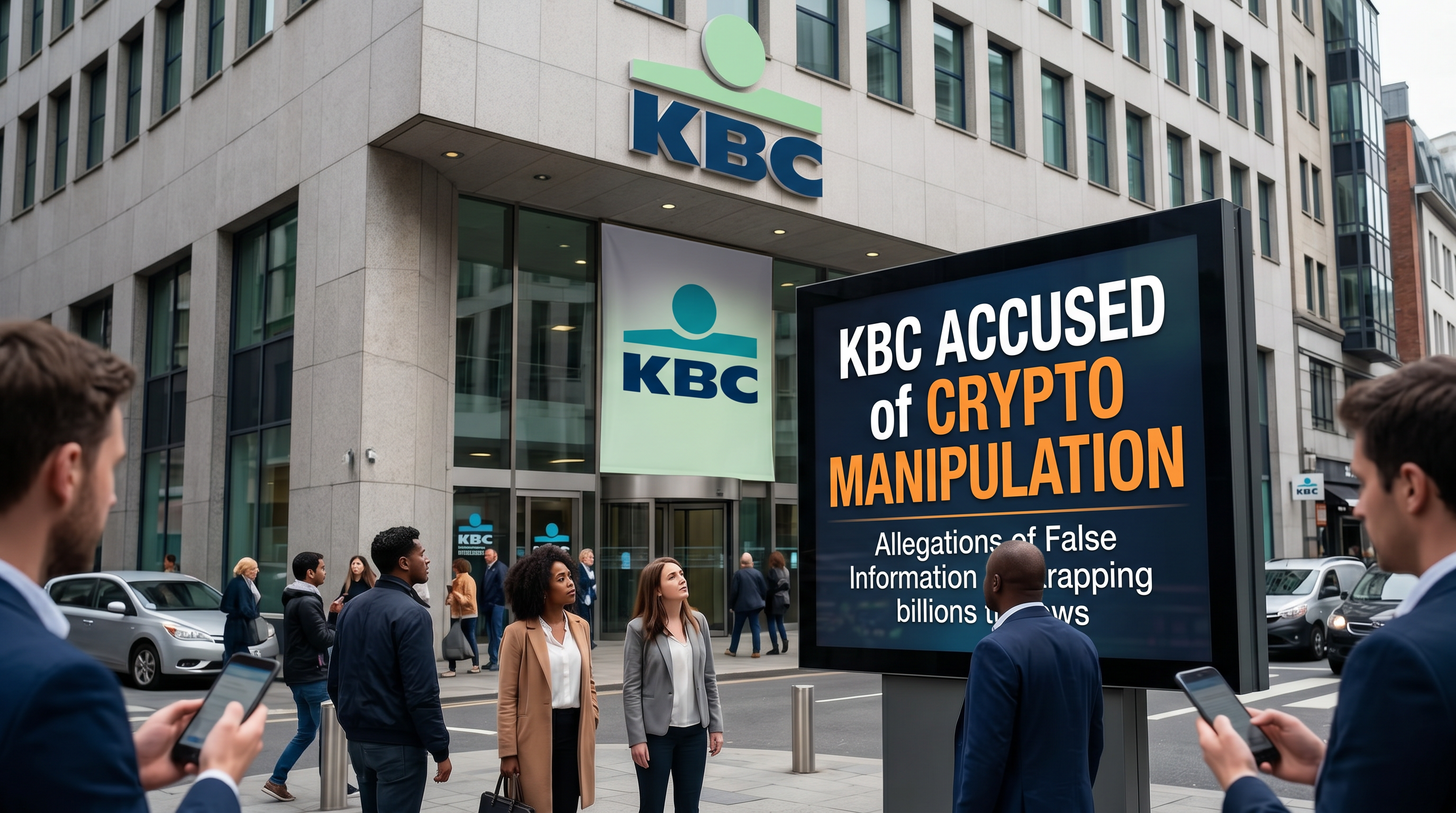
Belgian Banking Giant KBC Accused of Manipulation as Crypto Platforms Prepare Legal Action
Major cryptocurrency exchanges are preparing lawsuits against KBC Bank over allegations of disseminating false information to customers, effectively trapping billions in traditional banking products. As the legal battle intensifies, questions emerge about whether Belgian banks are prioritizing their own commercial interests over customer financial freedom.

Q-Bit – The Quantum Leap Your Portfolio Has Been Waiting For
Stop buying machines. Start owning the future. Q-Bit unlocks quantum computing power for research, logistics, and data protection—without the hardware headache. Here’s why early adopters are already calling it the next paradigm shift.