
The VC-vs-Retail Divide in Crypto Is the Real Structural Story of This Cycle
The best deals of the cycle were closed to retail. The worst deals of the cycle were sold to retail. The information asymmetry isn't new; the scale is.
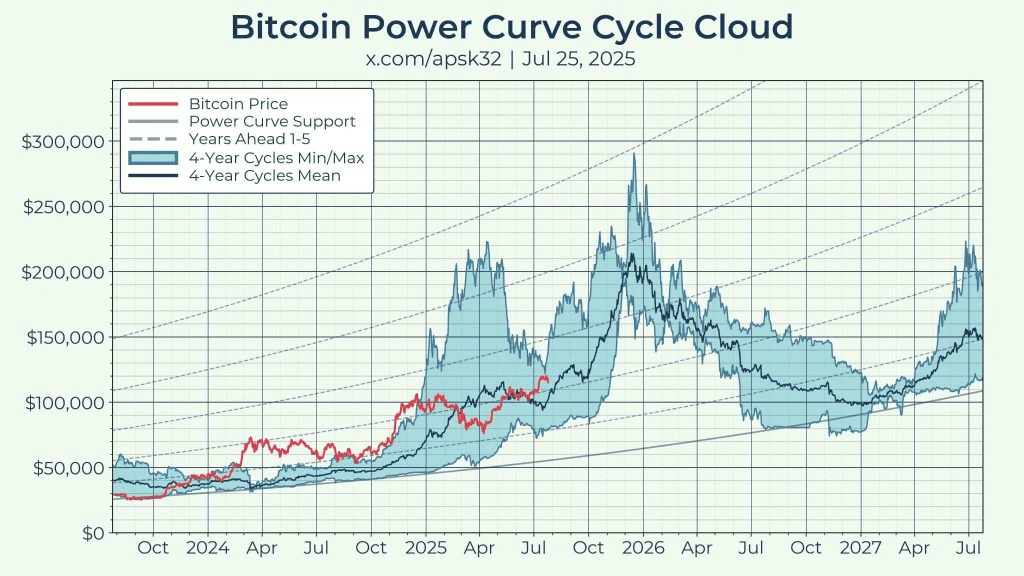
The median venture-stage crypto investment made in 2023 is up approximately 2.8x on a mark-to-market basis, according to a recent Messari roll-up. The median retail crypto investment made in 2023 is up approximately 0.6x on the same basis. That gap — 4.7x in favor of the venture side — is not unusual historically. What is unusual is the scale of the capital it now applies to.
The structure that produces the gap
The gap is not primarily about skill. It is about access. Venture investors in crypto enter positions at valuations that are, on average, roughly 65% below the prevailing secondary market price at the time of listing. They enter with vesting schedules that, while they limit sale velocity, also often come with side agreements that permit hedging. They enter with information — about team composition, product roadmap, and cap table structure — that retail cannot access.
Retail investors enter positions at listing, at valuations that price in the full optimism of the narrative, with no access to hedging tools comparable to those available to the venture side, and with information that has been filtered through project marketing.
"The tokens retail gets to buy are the tokens the insiders need to sell." — Cobie, in a long thread last month that was, unfortunately, basically correct
Why the gap has widened
The gap has been present in crypto for the better part of a decade. What has changed in the current cycle is:
- Venture investment sizes have increased substantially — individual firm commitments now routinely exceed $25 million per deal
- Fully diluted valuations at seed have risen more rapidly than at public listing, widening the entry price gap
- Vesting schedules have gotten more complex, with more side-letter arrangements benefiting insiders
- Retail access has moved earlier — pre-listing launchpads absorb retail demand that used to only enter at full listing
The honest view
It is possible to say — and I want to say — that this is not a scandal. Venture investing is risky. Some of those 2023 investments are going to zero. The mark-to-market figures do not reflect the realized-return difference, which will be smaller. Retail investors chose to participate in a market in which insider advantages are widely documented. The information was, at some level of generality, available to anyone who wanted to look.
All of this is true. It is also compatible with the view that the structural setup is extractive, in a way that is producing a large and growing wealth transfer from retail investors to venture investors, and that this transfer is not accompanied by a commensurate transfer of risk because venture investors are able to hedge what retail investors cannot.
What should change
I do not have a clean answer here. A few things might help:
- Mandatory disclosure of token unlock schedules and side letter arrangements at listing
- Caps on pre-listing valuation-to-FDV ratios for tokens that will be sold to retail
- Standardized reporting of realized insider sales, not just scheduled ones
- More transparent treatment of the token-sale-as-exit-liquidity question
None of these are radical. Most would require either regulatory action or industry self-organization that the industry has not, in previous cycles, been willing to undertake.
The political undertone
The larger problem is that the crypto industry's political posture — broadly populist, anti-establishment, skeptical of regulation — sits uneasily alongside the empirical fact that its capital markets are among the most insider-favorable in the modern financial landscape. That contradiction has been manageable as long as retail participants have, on average, made money. The balance is starting to shift. The retail cohort from this cycle, if the pattern holds, will be substantially less sanguine than the cohort from the last one. The political consequences of that shift are one of the things I watch most closely.
Related stories

AI researcher claims he's already bypassed Anthropic's Fable 5 guardrails
An AI researcher claims to have bypassed Anthropic's Fable 5 guardrails within 48 hours of launch, raising concerns about AI safety and potential implications for cryptocurrency security.

Belgian Banking Giant KBC Accused of Manipulation as Crypto Platforms Prepare Legal Action
Major cryptocurrency exchanges are preparing lawsuits against KBC Bank over allegations of disseminating false information to customers, effectively trapping billions in traditional banking products. As the legal battle intensifies, questions emerge about whether Belgian banks are prioritizing their own commercial interests over customer financial freedom.

Q-Bit – The Quantum Leap Your Portfolio Has Been Waiting For
Stop buying machines. Start owning the future. Q-Bit unlocks quantum computing power for research, logistics, and data protection—without the hardware headache. Here’s why early adopters are already calling it the next paradigm shift.