
UK Sanctions List Keeps HTX In Compliance Spotlight After OFSI Designation
HTX's operating entity, Huobi Global S.A., has been designated under UK Russia sanctions, raising significant compliance questions for crypto firms. This highlights the growing regulatory scrutiny on digital asset platforms.

HTX Under Compliance Spotlight Following UK Sanctions Designation
HTX, the global cryptocurrency exchange formerly known as Huobi Global, has become a focal point for compliance teams following indications that its operating entity, Huobi Global S.A., has been designated under the United Kingdom's Russia sanctions regime. This development, rooted in UK sanctions records and analysis by blockchain intelligence firms, underscores the ongoing challenge for digital asset platforms in adhering to stringent regulatory requirements. While the designation itself is not a recent event, its implications for compliance within the crypto industry are profound, requiring firms to reassess their exposure and operational frameworks.
The primary reference for this designation is the UK Office of Financial Sanctions Implementation (OFSI) consolidated sanctions list. Blockchain analytics provider TRM Labs has further elaborated on these findings, publishing an analysis that details the practical consequences for various stakeholders in the cryptocurrency ecosystem. This situation highlights a critical area of focus for UK-regulated entities and their global counterparts: the evolving landscape of sanctions compliance in a sector characterized by rapid transactions, pseudonymous addresses, and cross-border operations.
Understanding Sanctions Compliance in Digital Assets
The UK OFSI serves as the authoritative body responsible for implementing financial sanctions in the United Kingdom, ensuring that designated individuals and entities are subject to asset freezes and other restrictions. Its consolidated list is the official record for all sanctions designations, providing a crucial reference for businesses to identify their obligations. The inclusion of an entity like Huobi Global S.A., which operates the globally recognized HTX exchange, on such a list immediately elevates the complexity for firms engaging with the crypto market.
The broader UK sanctions regime, particularly those related to Russia, aims to exert economic pressure by restricting financial interactions with targeted individuals, entities, and sectors. For crypto firms, this translates into a mandate to prevent any direct or indirect facilitation of funds or services to designated parties. The challenge intensifies in the digital asset space where the flow of value can be less transparent than in traditional finance, often moving through multiple wallets, intermediaries, and decentralized platforms across various jurisdictions.
The significance of this particular designation stems from HTX's prominent position as a major global cryptocurrency exchange. Unlike the listing of an isolated wallet address or a smaller service provider, a designation linked to a platform of HTX's scale necessitates a broader re-evaluation of compliance strategies. Firms must not only scrutinize their direct interactions with the named entity but also consider how to manage and monitor funds that may transit through related infrastructure or associated services.
"Sanctions screening is no longer limited to checking static customer names. Crypto firms need wallet intelligence, transaction monitoring and escalation processes that can respond when a large platform or associated entity appears on an official list."
Navigating the Complexities of Crypto Sanctions
The complexities of enforcing sanctions in the cryptocurrency realm are multifaceted, demanding a departure from conventional compliance methodologies. Traditional financial institutions typically rely on established Know Your Customer (KYC) and Anti-Money Laundering (AML) frameworks, which are designed for centralized systems with identifiable account holders. In contrast, the pseudonymous nature of blockchain transactions, the global reach of digital asset services, and the speed at which funds can move present unique hurdles for compliance teams.
To effectively navigate these challenges, crypto firms are increasingly reliant on advanced blockchain analytics tools and "wallet intelligence." These technologies enable the tracing of funds across various blockchain networks, identifying patterns of activity, and linking pseudonymous wallet addresses to real-world entities or sanctioned groups. Transaction monitoring systems must be sophisticated enough to detect suspicious flows, even when they involve multiple hops through different platforms or the use of privacy-enhancing techniques, necessitating robust escalation processes when potential sanctions exposure is identified.
Moreover, the jurisdictional reach of sanctions means that even non-UK firms may need to adjust their risk controls. Given the interconnectedness of global financial systems and the widespread use of certain stablecoins and centralized exchanges, a UK designation can have ripple effects that extend far beyond the country's borders. Precedents such as the sanctions against mixers like Tornado Cash or exchanges like Garantex have demonstrated the global impact of such regulatory actions, prompting a worldwide re-evaluation of compliance practices within the crypto industry.
Future Compliance Landscape for Crypto Exchanges
For UK-regulated businesses, counterparties, and service providers, the designation associated with HTX translates into immediate and tangible compliance obligations. These entities must undertake a thorough assessment to determine whether they are holding, controlling, or facilitating the movement of any funds connected to the designated entity. Failure to comply can result in severe penalties, including fines and imprisonment, underscoring the critical importance of robust internal controls and due diligence.
While the immediate market impact, such as a broad sell-off or an exchange crisis, is not the primary focus of this situation, the long-term implications for compliance are substantial. The incident reinforces the global trend towards stricter regulatory oversight of digital assets and the expectation that crypto firms will develop sophisticated capabilities to meet these demands. This shift requires ongoing investment in technology, personnel training, and the continuous adaptation of compliance policies to keep pace with evolving threats and regulatory expectations.
- **Enhanced Due Diligence:** Firms must perform more rigorous checks on counterparties and transaction origins.
- **Advanced Analytics Adoption:** Increased reliance on blockchain analytics tools for wallet screening and transaction monitoring.
- **Cross-Jurisdictional Risk Assessment:** A deeper understanding of how sanctions from one jurisdiction can impact global operations.
- **Proactive Policy Updates:** Regular review and updating of internal compliance policies to align with evolving sanctions lists and regulatory guidance.
Looking ahead, the incident involving HTX serves as a stark reminder that the cryptocurrency industry is increasingly subject to the same stringent regulatory scrutiny as traditional finance. The emphasis will remain on transparency, accountability, and the development of sophisticated compliance infrastructures capable of navigating the complex interplay of global sanctions regimes and the unique characteristics of digital assets. Firms that proactively address these challenges will be better positioned to operate securely and compliantly in the evolving global regulatory environment.
Related stories

UK House Of Lords Urges BoE To Ease Stablecoin Rules Over Competitiveness Concerns
The UK House of Lords has urged the Bank of England to reconsider aspects of its stablecoin proposals, warning that current plans could hinder innovation and competitiveness.
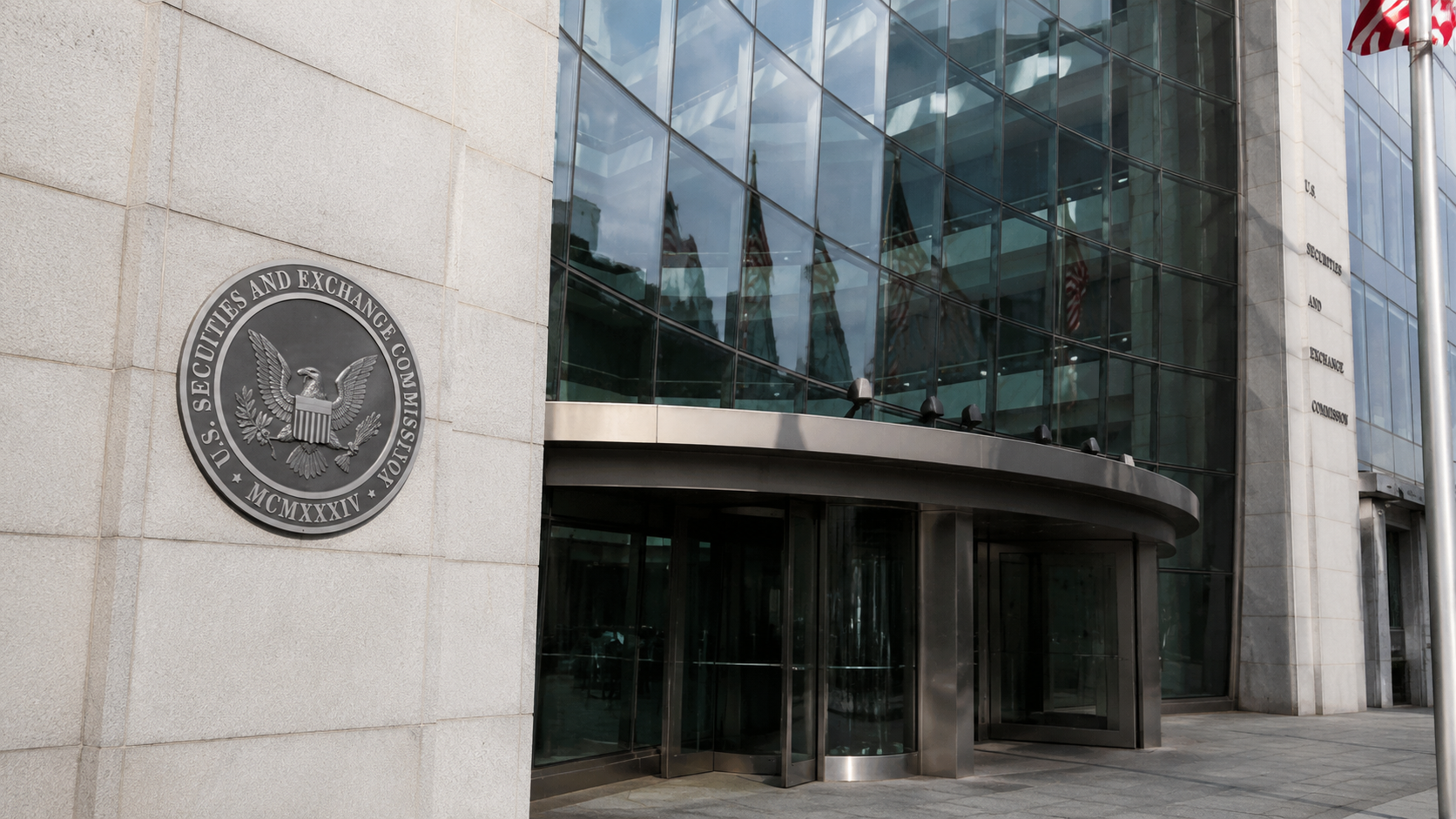
SEC’s 2026–2030 Plan Puts Crypto At The Center Of Its Regulatory Agenda
The SEC's draft 2026-2030 strategic plan places digital asset regulation at its core, aiming to modernize oversight to balance innovation with investor protection and provide clarity for the evolving crypto industry.

Strive Seeks $4.2 Billion ATM Expansion To Fund More Bitcoin Purchases
Strive plans to expand its at-the-market programs by $4.2 billion to fund further Bitcoin acquisitions, solidifying its position among leading public corporate BTC holders.