
Ethereum Restaking TVL Passes $50 Billion as EigenLayer Opens Permissionless AVSes
The restaking primitive just became programmable for anyone. Launch-day filings include seven oracle services, three bridges, and one suspiciously generic 'data availability' AVS.

EigenLayer crossed $50 billion in restaked ETH-denominated value on Thursday morning, hours after the protocol's final launch phase opened permissionless deployment of Actively Validated Services (AVSes) to any developer with a deposit bond and a signed manifest.
The moat just became a commons
Until yesterday, launching an AVS required a whitelisted relationship with the EigenLayer core team. The new eigen_launchpad_v2 module removes that gate entirely. Developers stake 50 ETH, publish a slashing-condition contract, and can begin recruiting restaked validators within 24 hours.
"This is the moment restaking stops being a product and starts being infrastructure." — Sreeram Kannan, EigenLabs
Launch-day filings read like a quiet stress test: seven oracle services, three cross-chain bridges, a sequencer network for a new L2, and one "data availability layer" whose manifest consists of 14 lines and no named contributors.
Risks are no longer theoretical
Validators restaking ETH across multiple AVSes are now exposed to correlated slashing for the first time at meaningful scale. A panel report from the Ethereum Foundation last week flagged "stack collapse" — the scenario in which a single AVS failure triggers cascading slashes across unrelated services — as the primary systemic risk.
Vitalik Buterin, in a post on his blog last night, called the launch "overdue and overrated in equal measure." The restaked ETH keeps coming regardless.
Related stories

UK Sanctions List Keeps HTX In Compliance Spotlight After OFSI Designation
HTX's operating entity, Huobi Global S.A., has been designated under UK Russia sanctions, raising significant compliance questions for crypto firms. This highlights the growing regulatory scrutiny on digital asset platforms.

UK House Of Lords Urges BoE To Ease Stablecoin Rules Over Competitiveness Concerns
The UK House of Lords has urged the Bank of England to reconsider aspects of its stablecoin proposals, warning that current plans could hinder innovation and competitiveness.
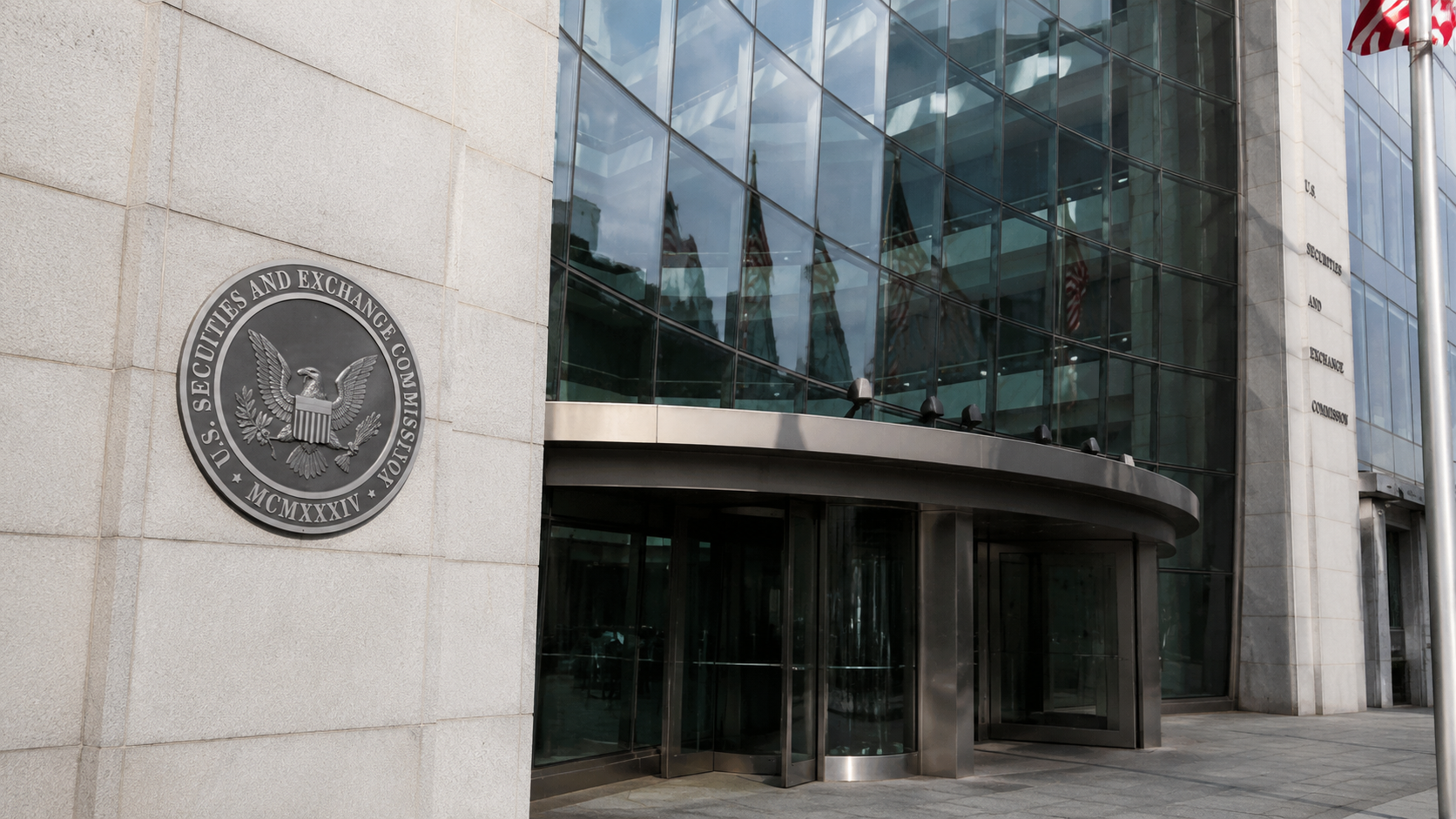
SEC’s 2026–2030 Plan Puts Crypto At The Center Of Its Regulatory Agenda
The SEC's draft 2026-2030 strategic plan places digital asset regulation at its core, aiming to modernize oversight to balance innovation with investor protection and provide clarity for the evolving crypto industry.