
Stablecoin Market Cap Tops $200 Billion for the First Time as USDC Closes the Gap on Tether
Circle has added $12 billion in supply this quarter, narrowing Tether's lead to the smallest margin since 2021. The composition of who is holding what has changed, too.
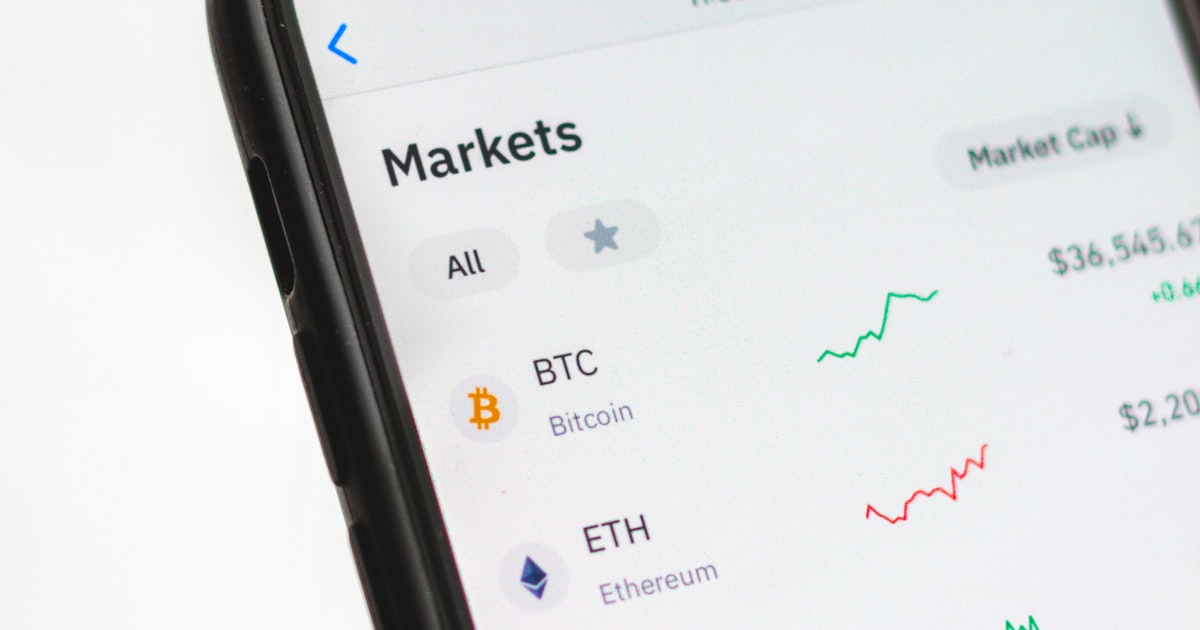
The total market capitalization of dollar-pegged stablecoins crossed $200 billion on Wednesday for the first time, according to DeFiLlama data, with Tether's USDT still holding the dominant share at $116 billion and Circle's USDC pulling to within $18 billion after one of its strongest growth quarters on record.
Where the new supply is going
Chainalysis data shows the majority of net new USDC supply is flowing to exchanges in two regions: Latin America and Southeast Asia. Both are regions where dollar access through traditional rails remains either expensive or rationed. The pattern is not new; the acceleration is.
"The question is no longer whether stablecoins are a product, it's whether they are payment infrastructure." — Dante Disparte, Circle
The regulatory overlay
The EU's MiCA regime, now 10 months into full enforcement, has shifted significant stablecoin issuance onshore. Circle's euro-backed EURC grew 60% in Q1. Tether, whose EURT remains unauthorized under MiCA, has begun winding down its EU-facing operations.
Related stories

Aztec investigates $2 million exploit of deprecated payments product
Aztec Labs is investigating a $2 million exploit on a deprecated payments product, highlighting security challenges in legacy decentralized systems.
‘The low is almost in’: Standard Chartered says bitcoin bottom near after tough week for crypto
Standard Chartered suggests Bitcoin's market low is "almost in," citing resilient ETF holdings and likely strategic buybacks after a challenging period for crypto.
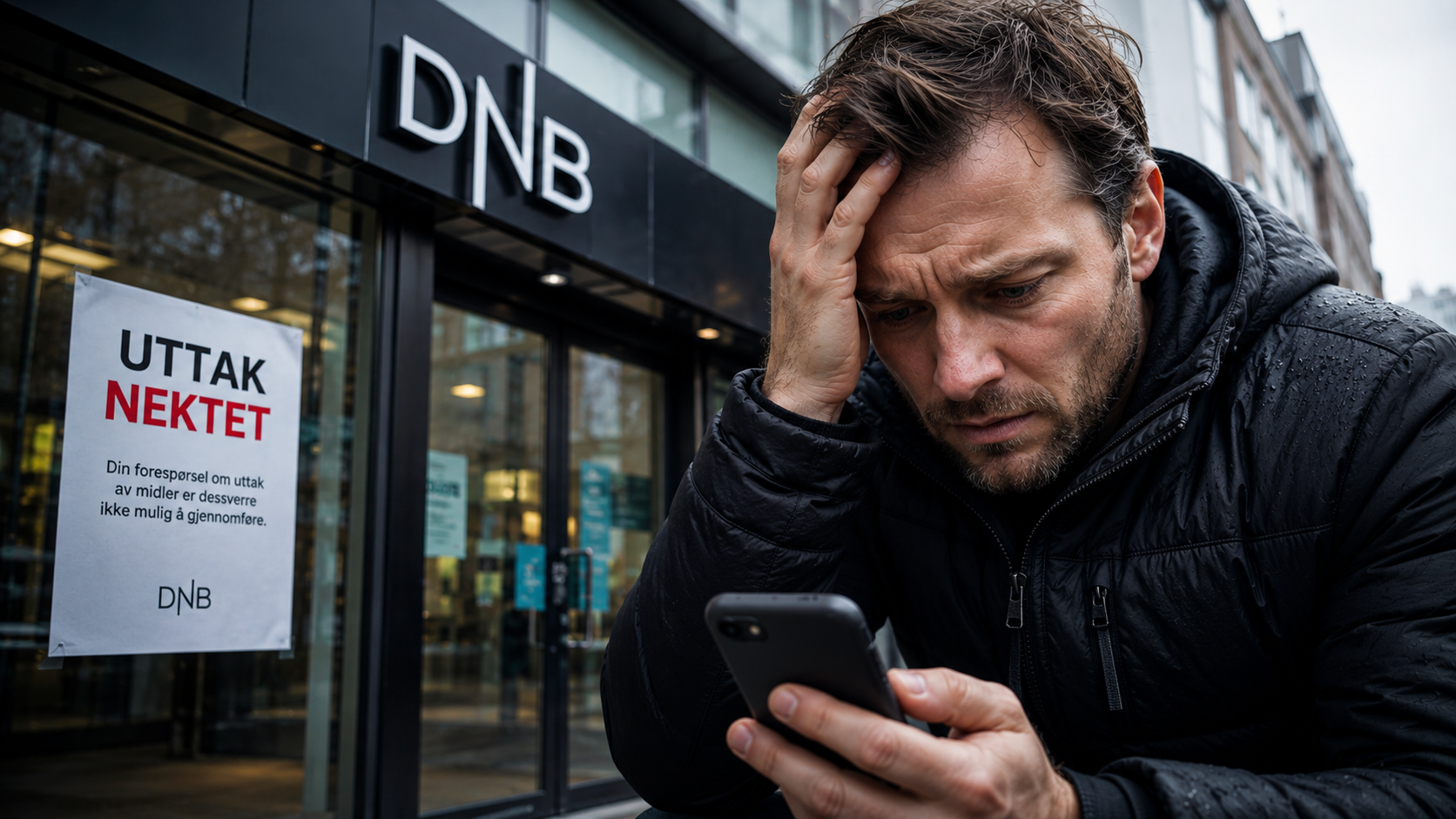
‘I Should Never Have Called My Bank. It Cost Me Five Million Kroner.’
A 34-year-old’s attempt to do the "right thing" ended in financial disaster. As Norwegian banks lose billions on bad crypto bets, regular customers are being punished for cashing out—raising a critical question: Is your bank blocking you to protect you, or to protect itself?