
Trump’s Bitcoin made in America push runs into a power problem the tax bill cannot fix
The US aims to boost its crypto infrastructure through tax reform for staking, but fundamental power and permitting issues continue to challenge Bitcoin mining competitiveness.

US Crypto Infrastructure Faces Dual Hurdles in Tax Reform and Power Supply
The United States is currently navigating a complex landscape for cryptocurrency infrastructure, with legislative efforts underway to reform how digital asset mining and staking rewards are taxed. H.R. 9175, known as the Tax Clarity for Mining and Staking Act, seeks to allow miners and stakers to defer tax obligations on newly acquired tokens until they are sold, aiming to alleviate a significant cash-flow burden. This proposed change is seen as long overdue by validators and their institutional clients, who have often sought clearer regulatory environments offshore.
Despite these tax reform initiatives, a separate and equally critical challenge persists for Bitcoin miners: the fundamental infrastructure requirements of land availability, reliable power contracts, efficient permitting processes, and stable grid operations. These factors are often the primary determinants for where new mining facilities are constructed, regardless of tax incentives. The interplay between these regulatory and operational challenges shapes the competitiveness of the US in the global crypto ecosystem.
Addressing the Cash-Flow Drag on Staking Rewards
Under the current interpretation of US tax law, specifically IRS Revenue Ruling 2023-14, validators and their clients are subject to ordinary income tax on staking rewards at the moment of receipt, based on the asset's price at that time. This obligation arises even if the tokens have not been sold, creating a substantial cash-flow challenge for participants. The US Tax Court further reinforced this position in June, with the non-precedential Paschall v. Commissioner ruling affirming that staking rewards constitute gross income once the taxpayer gains control.
This tax structure poses particular difficulties for staking-as-a-service models, especially for institutional clients who delegate tokens that become locked during a bonding period. These clients incur a tax liability on assets they cannot immediately liquidate, while infrastructure providers also face tax on commissions derived from these illiquid tokens. Such a system generates what has been described as a "constant cash drag," where the value of every reward must be determined at the point of receipt, potentially leading to higher tax bills if market prices decline before tokens can be sold.
H.R. 9175 aims to mitigate this issue by providing taxpayers with the option to categorize newly minted tokens as self-created property, thereby deferring tax recognition until the tokens are disposed of. This legislative proposal has garnered support from prominent industry groups, including the Blockchain Association, Crypto Council for Innovation, and The Digital Chamber, who view it as a balanced compromise. Its passage could enable institutional clients to establish US-based validation operations without the constant threat of cash-flow crises, particularly when rising prices amplify phantom tax obligations on locked assets.
"The tax bill takes the US from punitive to viable; securities and custody clarity is what makes it competitive."
Beyond Tax: The Enduring Power Problem for Bitcoin Mining
While tax clarity is a significant step, the practical realities of deploying large-scale Bitcoin mining operations in the US present a different set of hurdles that H.R. 9175 does not address. The nation held approximately 37.5% of the global Bitcoin hashrate as of January 2026, marking it as the largest national share. However, this leadership position is constantly challenged by the economic and logistical factors that drive capacity deployment, primarily the cost and availability of power, land, and robust grid infrastructure.
Executives in the mining sector consistently emphasize that the primary considerations for new facilities are access to cheap, long-term power contracts, efficient permitting and zoning, and overall grid reliability. Aydin Kilic, CEO of HIVE Digital Technologies, highlighted that the initial focus is on land ownership and efficient on-site execution, followed by off-taker demand and the economics of long-term power availability. Kilic specifically pointed to permitting efficiency, scalable and attractively priced power contracts, and long-term grid certainty as crucial for US competitiveness.
This focus on fundamental infrastructure explains why other jurisdictions are rapidly expanding their mining footprints. Paraguay, for instance, experienced a 54% year-over-year growth in its hashrate to reach 4.3% globally, while Ethiopia climbed to 2.5%, securing eighth place worldwide. Companies like HIVE have capitalized on these conditions, securing substantial power agreements in places like Paraguay where land and utility relationships were already established, demonstrating how operational advantages can outweigh other considerations.
Implications and Outlook for US Crypto Competitiveness
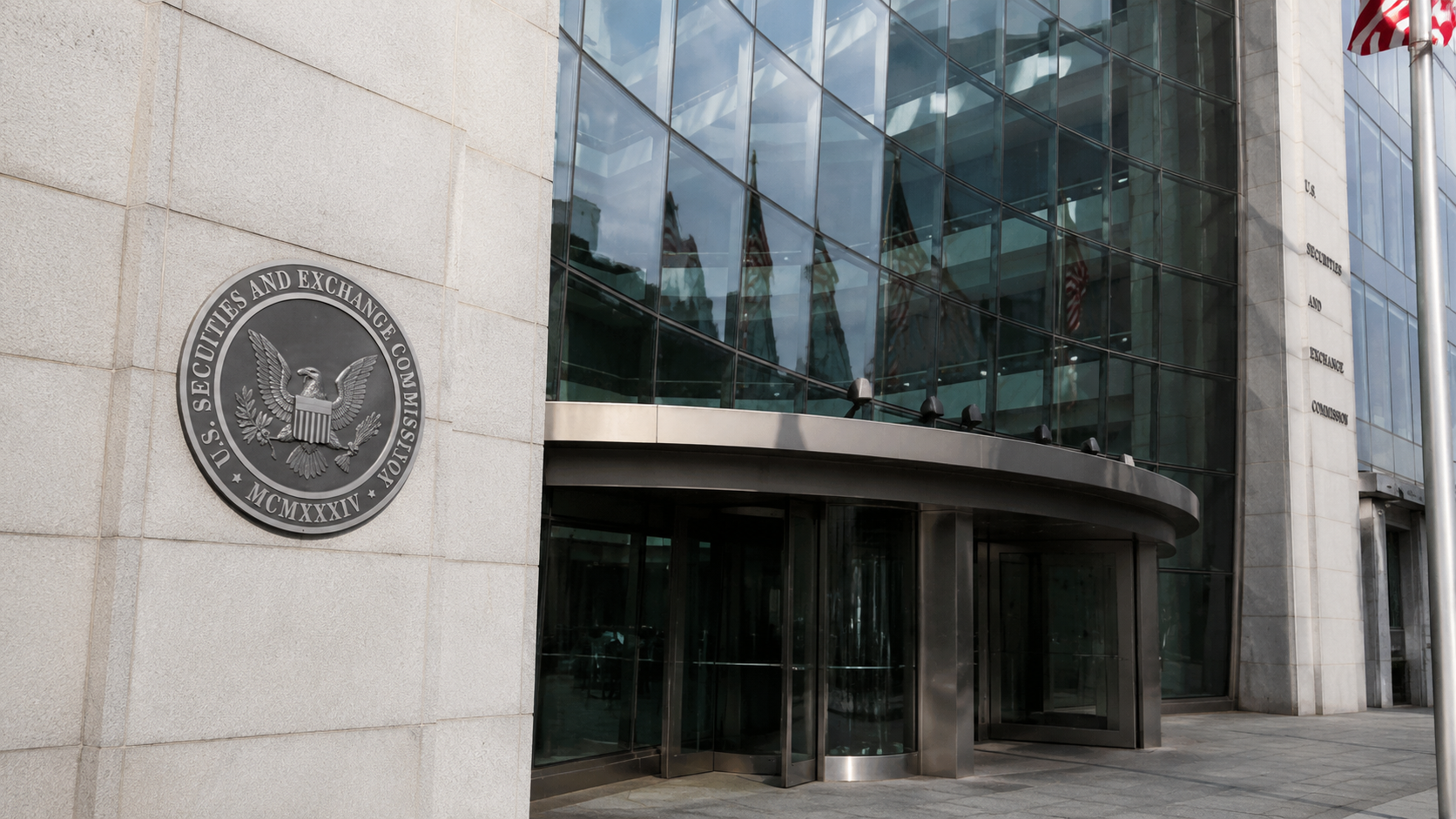
The combination of legislative efforts like H.R. 9175 and recent actions by regulatory bodies such as the SEC signals a broader movement to reduce friction for digital asset businesses in the US. The SEC's May 2025 statement clarifying that certain protocol staking activities do not constitute securities offerings, alongside its rescission of Staff Accounting Bulletin (SAB) 121 in January 2025 (which required firms custodying digital assets to account for them as liabilities), have both contributed to a more favorable environment. However, these latter moves remain staff-level guidance, susceptible to reversal without formal rulemaking, leaving a degree of uncertainty.
For the US to achieve genuine competitiveness in both staking and mining sectors, several key barriers still need comprehensive solutions:
- Clear and stable securities classification for various crypto activities.
- Definitive custody rules that do not unduly burden financial institutions.
- Predictable and streamlined licensing frameworks for digital asset businesses.
- Efficient and consistent permitting timelines for large-scale energy infrastructure.
- Access to competitive, long-term power contracts and reliable grid infrastructure.
Ultimately, while H.R. 9175 represents a critical step towards making the US a viable jurisdiction for crypto validation by addressing tax disincentives, it only partially solves the broader challenge. For the nation to truly become a competitive hub for both staking and Bitcoin mining, comprehensive policy solutions that tackle fundamental infrastructure, energy costs, and enduring regulatory ambiguities beyond taxation will be essential for sustained growth and innovation.
Related stories

UK Sanctions List Keeps HTX In Compliance Spotlight After OFSI Designation
HTX's operating entity, Huobi Global S.A., has been designated under UK Russia sanctions, raising significant compliance questions for crypto firms. This highlights the growing regulatory scrutiny on digital asset platforms.

UK House Of Lords Urges BoE To Ease Stablecoin Rules Over Competitiveness Concerns
The UK House of Lords has urged the Bank of England to reconsider aspects of its stablecoin proposals, warning that current plans could hinder innovation and competitiveness.
SEC’s 2026–2030 Plan Puts Crypto At The Center Of Its Regulatory Agenda
The SEC's draft 2026-2030 strategic plan places digital asset regulation at its core, aiming to modernize oversight to balance innovation with investor protection and provide clarity for the evolving crypto industry.